
The Road to Victory: The Code You Enter as a Team
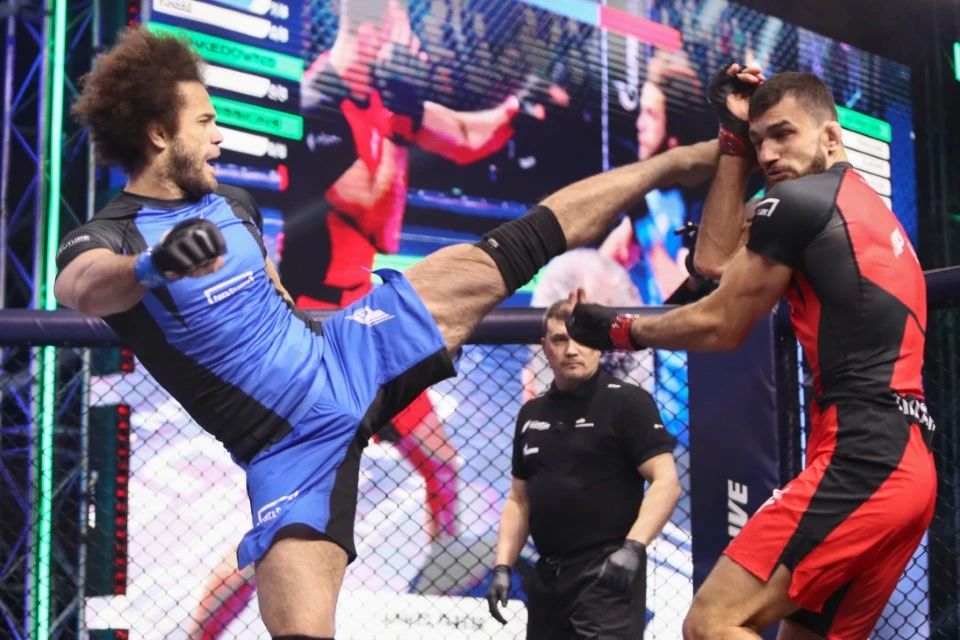
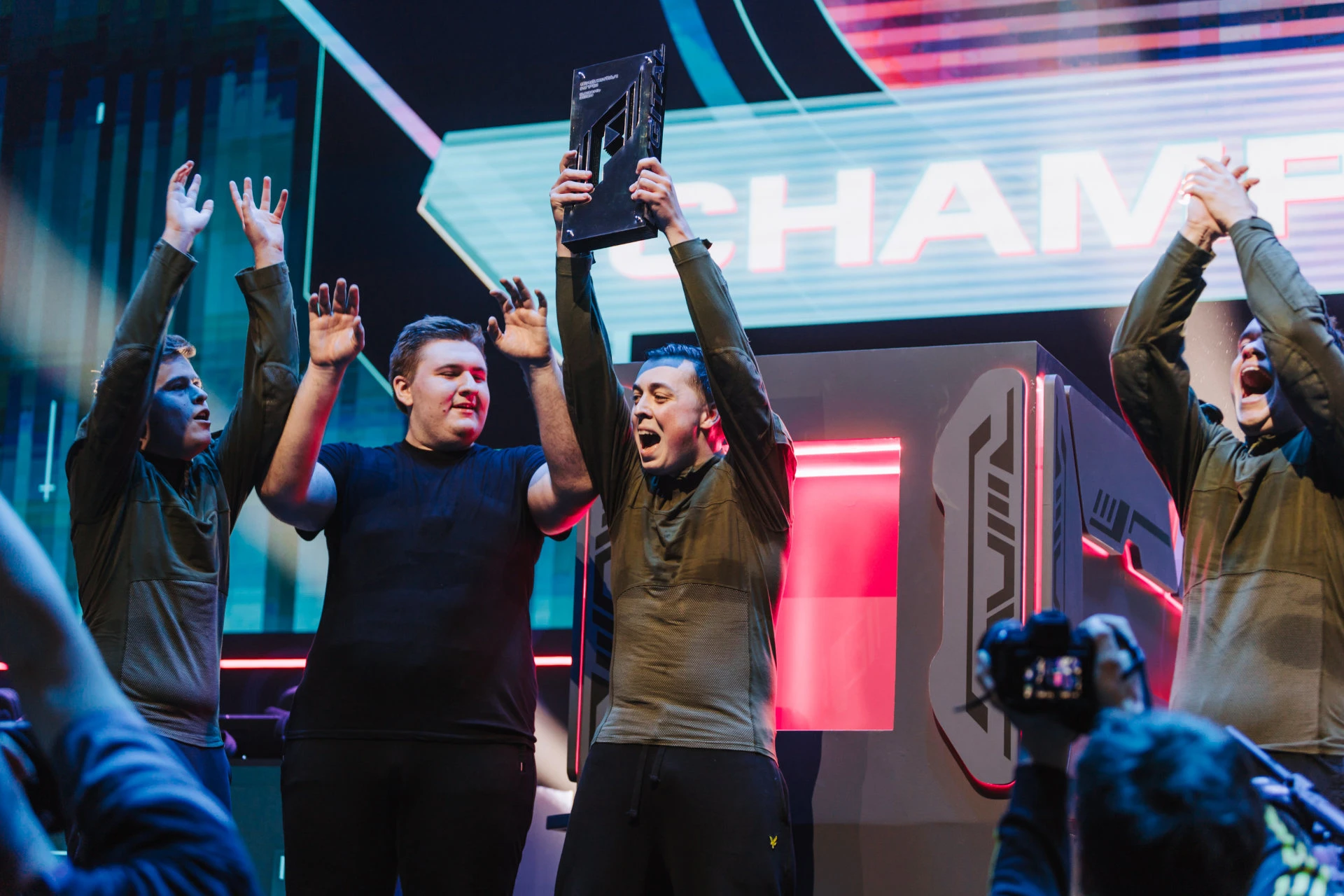
Let's be real - there's no secret formula that guarantees a tournament win. Would be nice, right? But here's the thing about phygital sports, there is a formula that works. And the best part? You don't do it alone. You do it together as a team.
With all eyes on the road to GOTF 2026 in Astana this summer, we wanted to know how managers actually build those unstoppable rosters — squads that mix digital legends with physical beasts, blending elite esports skill with real-world athletic performance — and how players get themselves ready to compete on a global stage at the very pinnacle of phygital sports.
You know those insane matches at the Games of the Future — the ones full of crazy twists that give you goosebumps? We’re obsessed too. But what happens before the cameras even turn on?
We’re not talking backstage. We’re talking about one of the hardest parts of competition: preparation.
We sat down with some previous GOTF participants, and honestly? The insights they shared are pure gold.
Preparation: The Manager's Biggest Headache
Here's the reality: preparation is everything. And most of the responsibility falls on the team manager — or that one teammate who somehow ends up organizing everything. They're the ones building the squad from scratch. And before we start, don’t forget that under phygital competition rules, substitutions are strictly limited. A manager’s job isn't just about finding cracked players — it's about keeping the squad together for the whole season. We're talking months of competition across multiple tournaments. And if they're lucky enough to make it through the "Champions' Path" and stack those ranking points, they’ll need that same winning squad intact all the way to the Games of the Future final.
No pressure, right?
Why Player Picks Actually Matter
When managers are putting a team together, they're thinking about everything: discipline rules, game mechanics, what makes the digital and physical stages different, and even who the other teams might roll out. But the most important factor is always the same: Balance.
Mistake #1: Keeping Digital and Physical Separate
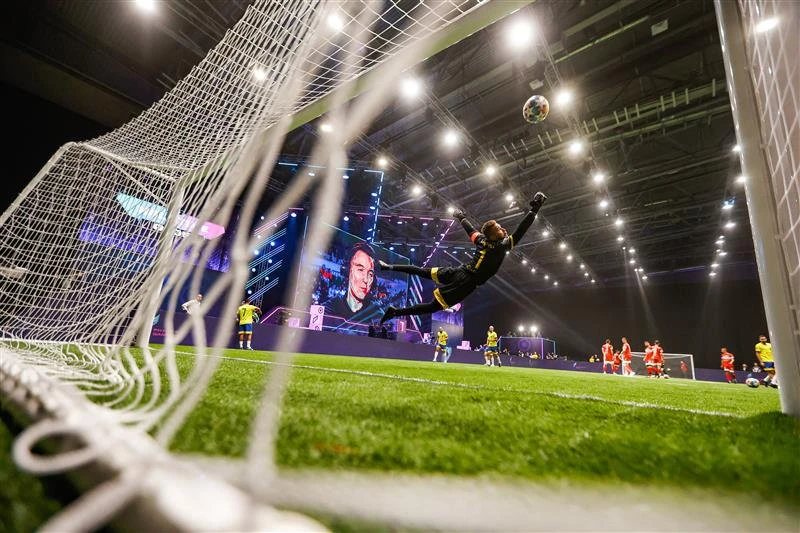
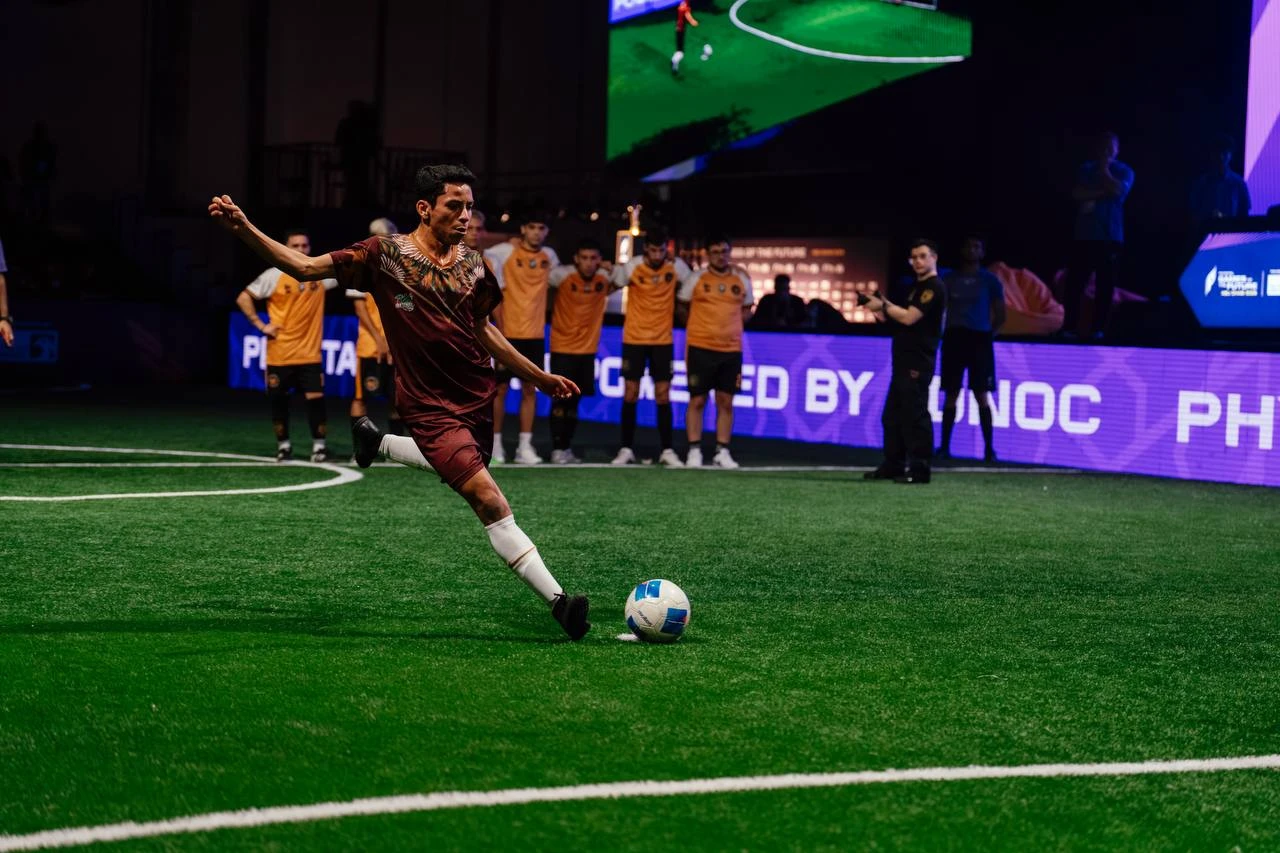
Let's talk Phygital Football. A team runs with eight players in total: four compete in the digital stage (two per half), before five take the field for the 5-a-side physical stage for two five-minute halves.
Now imagine a manager builds a team with four elite esports players and four professional footballers.
Sounds perfect, right?
Not exactly.
When the physical phase hits, this team is cooked. Three of the digital players are stuck on the bench watching, so you've got four footballers and one esports player on the pitch. Try keeping up with two full-intensity halves of 5-a-side football like that. Spoiler: you can't. And the other team? They'll close that score gap before you can say "GG."
Mistake #2: Going All In on One Thing
Here’s another classic mistake: when a manager focuses too heavily on just one side of the game. Take a squad made up only of football players. Over the two digital periods, a team that brought strong esports players can build such a large lead that catching up during the physical stage becomes nearly impossible. In one real phygital tournament, the score after the digital stage reached 21:3. Let that sink in. No matter how fit you are, making up an 18-point deficit is extremely difficult.
The Real Secret: Phygital Athletes
So how do you build the perfect roster? The answer is simple: through developing truly phygital athletes. All-rounders who absolutely dominate whether they're on a controller or on the field. The best managers work with coaches together to build training programs that turn gamers into elite athletes and turn traditional athletes into digital demons.
Another important thing is scouting the competition. Why? Because if you know the other team's strengths, you can play around them. They've got cracked digital players? Your job is to stop them from running up the score so your "physical" squad doesn't have to pull off to comeback. Their digital game is weak? Time to absolutely bury them in the first half and let your physical players coast.
Preparation isn’t just about improving your team — it’s about understanding everyone else’s.
Training: The Grind to the Podium
How Phygital Shooter Teams Get Ready
Let's break down how a Phygital Shooter team prepares for the Games of the Future.
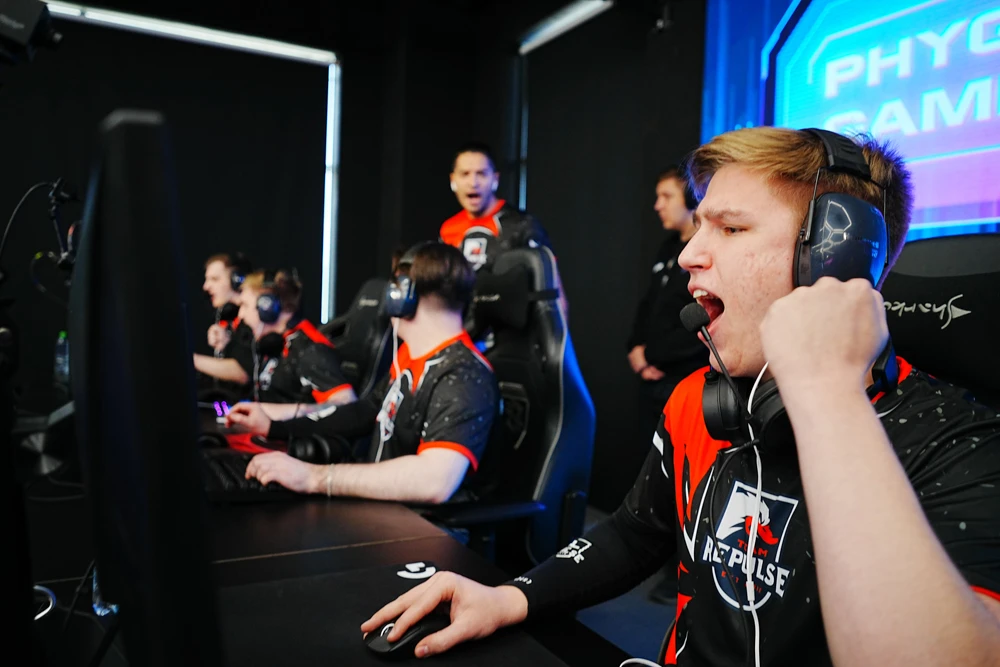
The real grind starts about three months out. Ideally, the main roster is locked in at least 90 days before — that way the team can train together as a five stack. This is how they build chemistry, figure out roles, and get that in-game discipline built up.
For the first two months, teams compete in ESEA leagues and participate in online qualifiers. Much of the focus goes into building their map pool — identifying their strongest maps and drilling strategies, set plays, retakes, defaults, and prepared rounds for every possible situation.
About 30 days before the Games of the Future, teams add laser tag training to their schedule three to four times per week. But they don't drop their shooter practice. Players continue scrimming and playing official matches to keep that digital game sharp. Laser tag wraps up three days before team flies to GOTF, reducing the physical load, minimizing injury risk, and allowing everyone to decompress before the main event.
14 days before the tournament, bootcamp mode kicks in. This is when the team pushes toward peak form, aiming to arrive at the tournament at their absolute best.
Phygital Basketball: Practice makes perfect
What about other disciplines? Let's look at Phygital Basketball.
Teams that qualify for the Games of the Future stay locked in all season by grinding 3x3 tournaments. Players may even represent different teams in different leagues at the same time, keeping their game fresh, building competition experience. And honestly? Great for their visibility too.
Events like Phygital Origins and Phygital Rivals tournaments also play an important role in preparation. The 2x2 format used at the Games of the Future rarely appears outside phygital tournaments, making these competitions critical for testing strategies and fixing weaknesses.
Serious preparation kicks in about a month before the Games of the Future. This is when things get intense, with teams often running five on-court training sessions or scrimmages per week, focusing specifically on their 2×2 gameplay.
Alongside that, players also complete several hours of digital training every day, practicing character mechanics, timing rotations, and refining team roles.
The goal is simple: stay competitive all season and peak at the right moment. That's how teams show up in peak condition with a solid game plan and zero doubts.
What About Solo Players?
What if you're competing in an individual discipline? Here's the thing — almost every competitor has a coach in their corner. And those coaches are, studying every opponent's strength and weakness, building training plans specifically for the Games of the Future, and keeping their athlete's head in the game during the matches.
It might sound simple, but the real “secret formula” isn’t a trick or a shortcut.
It's being part of a team environment where everyone understands their role, executes their responsibilities, and shows up when it matters most.