
10 shooter myths busted by science
Did your parents ever tell you games make you dumb? Well, science says otherwise. Here, we explain how shooter games affect attention, reaction speed and brain function. The results might surprise you (and your parents)!
Myth №1: Shooters are just mindless button mashing
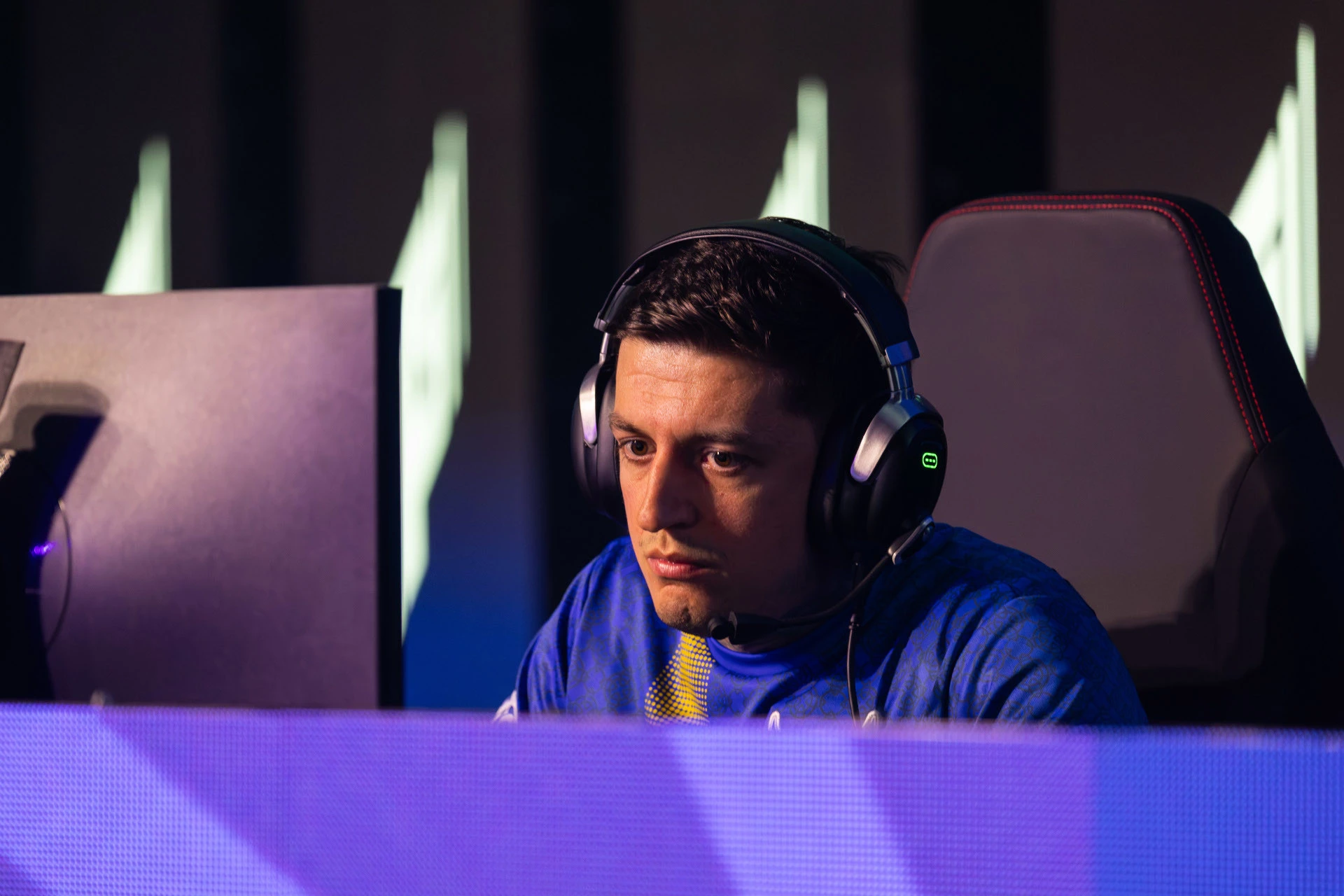
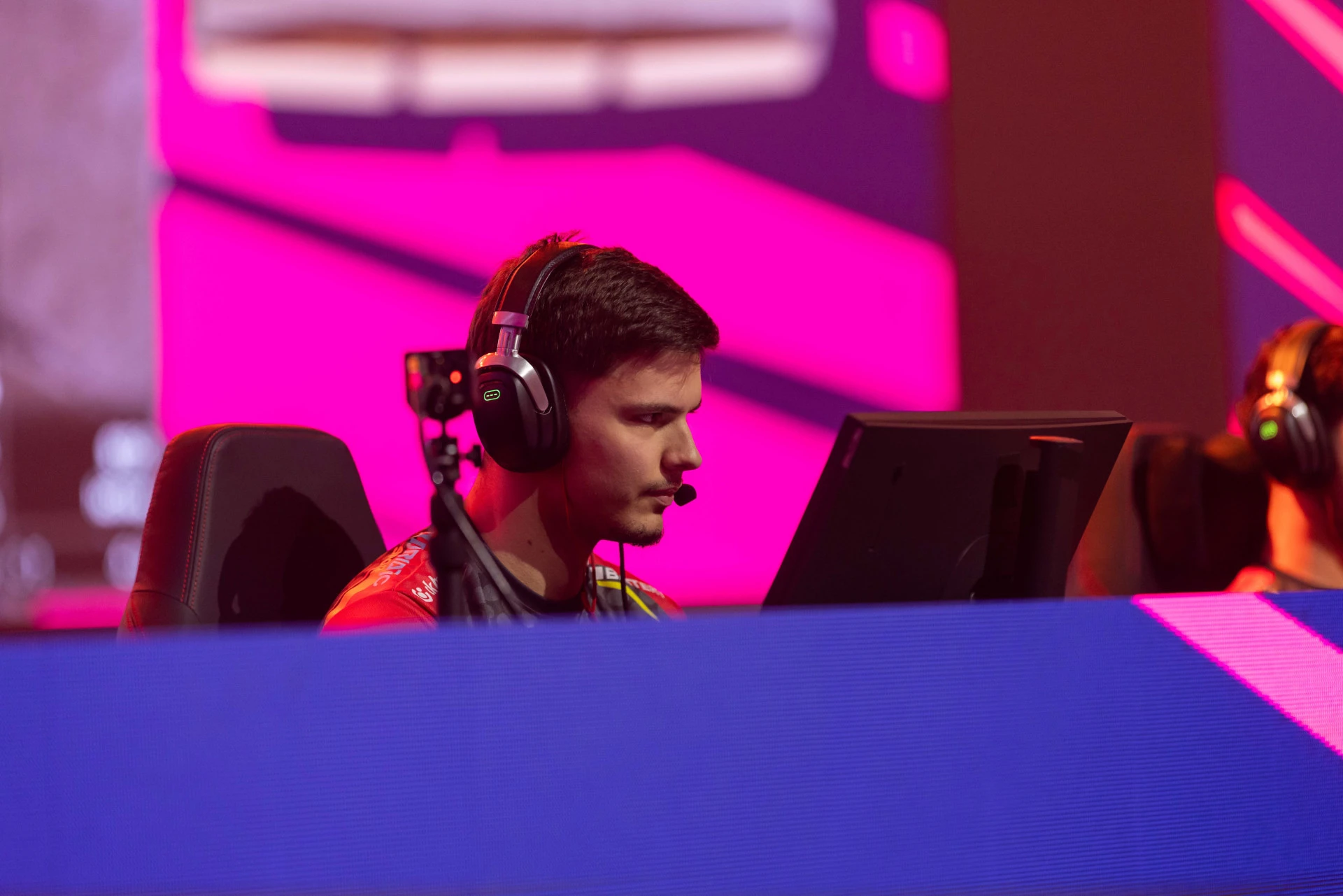
Truth: Your brain is working harder than you think. Imagine a typical gaming scenario. An enemy can pop out from around a corner, from a staircase, or through a smoke grenade. Footsteps in your headphones. Health indicators, ammo counters, and a mini map on screen.
You have fractions of a second to figure out where the threat is coming from, decide what to do (Attack? Fall back? Reposition?) and execute.
This is an extreme environment for your brain. High speed information overload plus constant uncertainty. In everyday life, these conditions are rare, but in a game they're normal. And instead of burning out, your brain starts to adapt.
What science says: One of the most famous studies in this field was conducted by cognitive psychologists C. Shawn Green and Daphne Bavelier.
They compared people who regularly play shooters with those who have no gaming experience. Participants were given a choice of reaction time tasks – not just hitting a button but recognizing a stimulus and deciding first.
The result: Gamers reacted 10-12% faster. But the other key point is that they didn't make more mistakes than the other group. Usually, speeding up leads to a loss of accuracy. That didn't happen here – which suggests gamers process information more efficiently.
Myth №2: Fast reactions are just about fast fingers
Reality: In fact, speed starts in your head, not your hands.
When an enemy suddenly appears on screen, a beginner first registers the fact of the appearance, then tries to aim, and only then attacks. For an experienced player, however, these stages almost blend. They're already starting to attack as soon as they think about it.
What science says: Over time, many decisions stop requiring conscious thought and the brain starts acting automatically. It's a bit like driving a car – in the beginning you think about every move, but as you become more confident, you react almost without thinking.
Myth №3: Shooters ruin your attention span
Reality: Not at all. In experiments where you need to find an object in a complex visual scene, gamers do it faster and more accurately.
In a typical game, you will probably have a map full of details – textures, shadows, ally movements etc. – and among all this, you need to spot an enemy silhouette. Gamers quickly learn to ignore all the noise and lock onto what matters.
What science says: Even people with no gaming experience can see their visual search speed increase by 20–25% after about 30 hours of playing fast-paced shooters.
Myth №4: Games only use your central vision
Reality: Experienced players actively use peripheral vision.
Eye-tracking systems have shown that gamers distribute their attention across the screen differently and don’t just stare at one point. They use peripheral vision more actively.
An experienced player can look at the center of the screen but still notice movement at the edges (eg. someone running out of a side passage) and react instantly.
What science says: The brain learns to pull information from the edges of the visual field and can quickly switch between wide-angle awareness and pinpoint focus. In fact, research shows that gamers can track up to 30% more objects at the same time.
Myth №5: Shooters make you impulsive
Reality: When you have fractions of a second to decide, the brain is forced to optimize the process of making the right choice.
Often a player has to evaluate several factors at once – the cover available, amount of resources left, location, position of the enemy etc. – and make a call without thinking through it in their head.
Therefore, decisions get faster not because the player isn't thinking, but because part of the thinking shifts to an automated level.
What science says: Speed and skill aren't enemies. Gamers make quick decisions without losing accuracy.
Myth №6: Shooters don't need to use their memory
Reality: In shooters, players constantly need to retain and update information such as enemy location, resource levels and their own position. Or remember that one opponent was at point A, another was at mid and use this to predict where the threat will come from.
What science says: In lab tasks, gamers update data faster and switch between tasks more efficiently. In multiple object tracking tests, they can keep more targets in focus than non-gamers.
Myth №7: Shooters are bad for your brain in the long term
Reality: Shooters do change your brain – but for the better. It has been shown that the brains of experienced gamers work more efficiently because fewer resources are needed to perform the same tasks.
This is especially noticeable in the frontal lobes, which control attention and decision-making.
What science says: If two people solve the same problem, the gamer's brain spends less effort. The fancy phrase for this is neural optimization.
Myth №8: All games have the same effect on your brain
Reality: Shooters are special. Not every game trains attention, reaction time, and decision-making at the same time. Shooters create an extreme environment with high speeds, information overload and constant uncertainty.
This specific pressure is what forces the brain to adapt.
What science says: In their study Green and Bavelier compared regular shooter players with non-gamers. The result: gamers reacted 10–12% faster but didn't make more mistakes. A control group that played Tetris, however, showed no such improvements.
Myth №9: Science says shooters have no benefits
Reality: Science says the opposite – but the benefits are specific, not general. For example, shooters won't make you better at chess or math, but they will make you faster at visual search and multi-tasking.
What science says: Improvements are strongest in tasks that resemble the gaming environment: fast visual information processing, reacting under uncertainty, and handling multiple data streams.
Myth №10: Shooters have no real-life purpose
Reality: Wrong again. Systematic research shows that shooters train attention, perception, and decision making. One round of a shooter can give your brain more real-time load than a page of puzzles.
What science says: Gamers react faster, navigate complex environments better, and make more effective decisions in dynamic situations.
The simple truth...
Shooters aren't mindless entertainment at all. They're actually intensive brain training disguised as fun. Your parents may never admit it. But science already has.
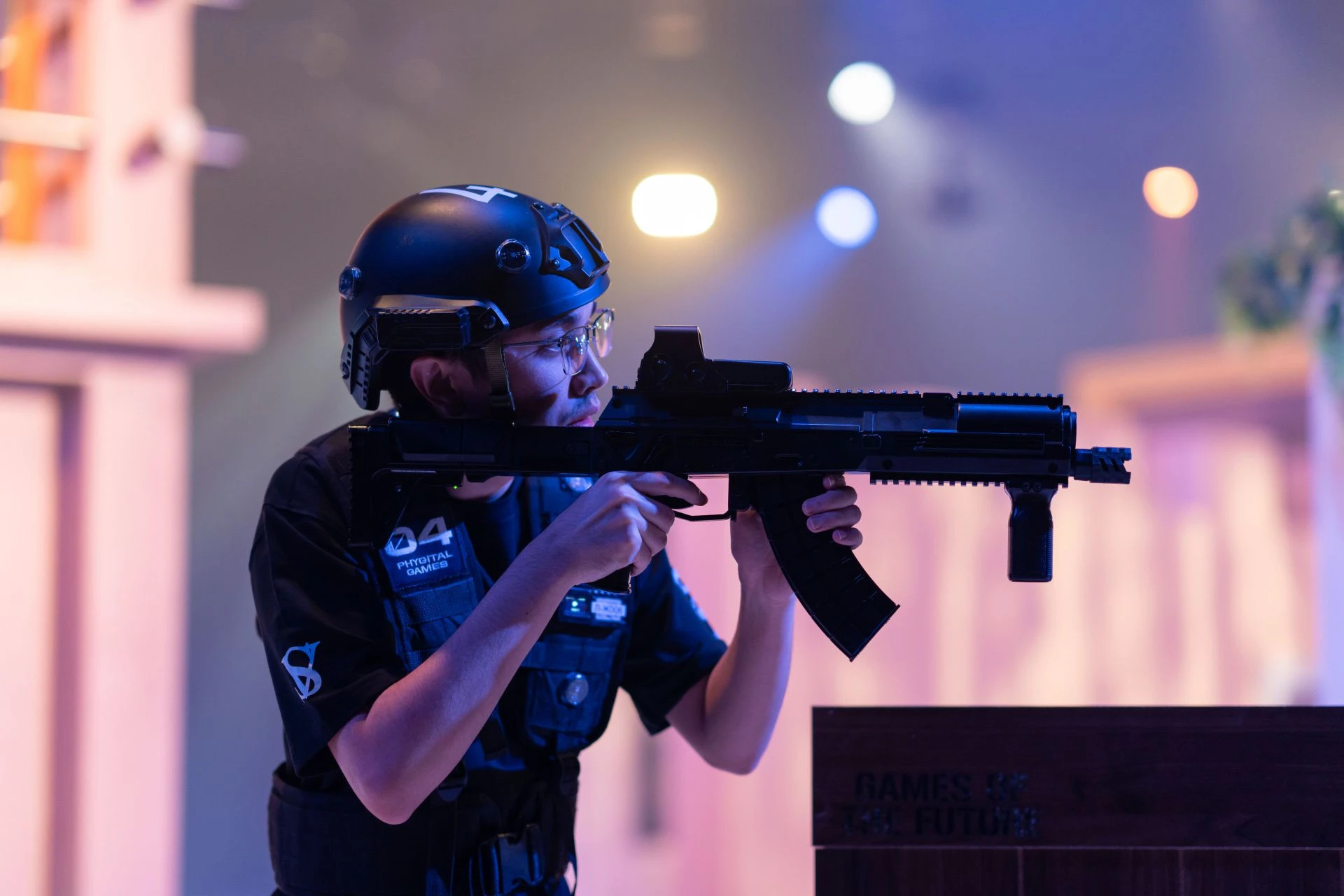
Phygital Shooter more details
Subscribe to our breaking news