

Alex Brown – a robot warrior who engineers to save lives
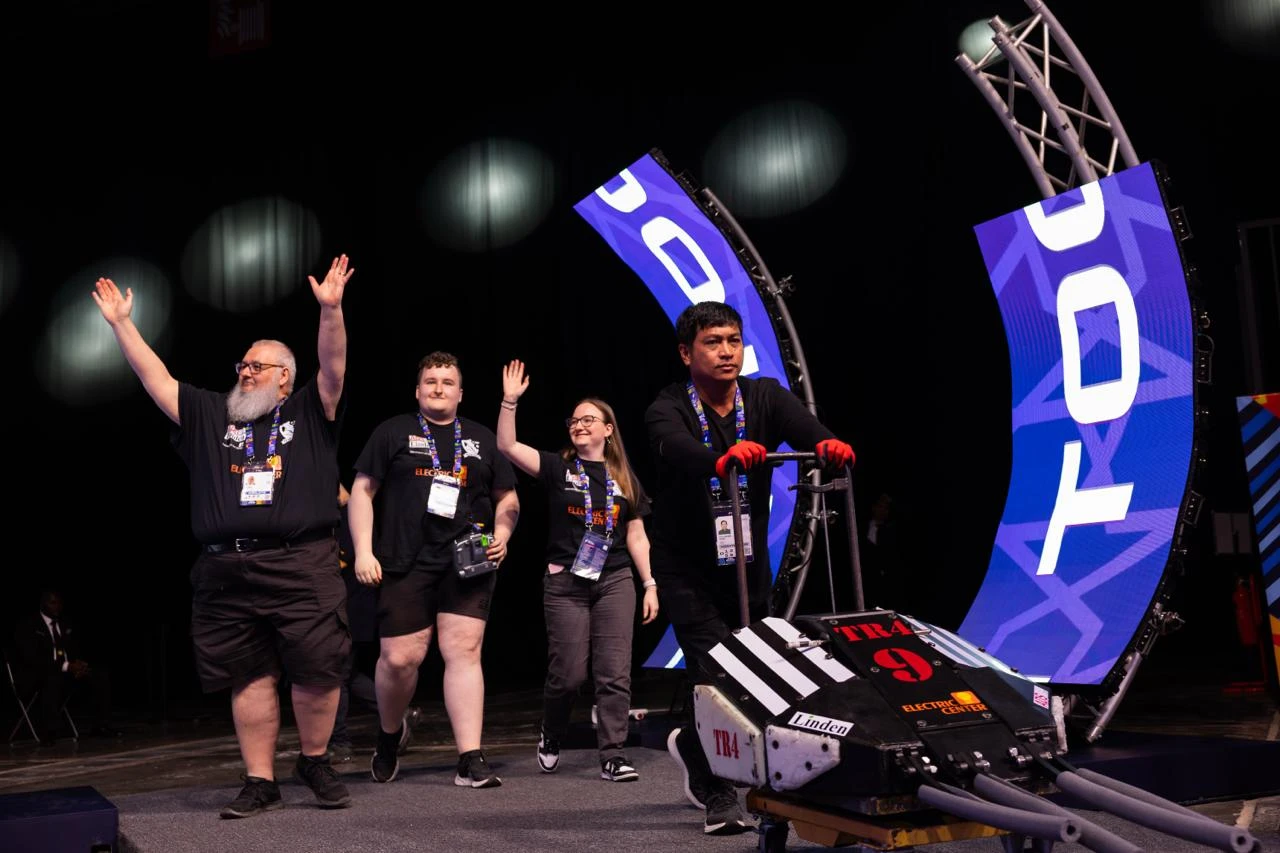
At the Games of the Future Abu Dhabi 2025, Alex Brown and Team Toon powered their way into the top 10 in the hugely competitive Battle of Robots discipline, taking on elite teams from Europe, North America, Asia and the Middle East.
But Alex’s story goes far beyond robot fights.
By day, he is a PhD researcher in Surgical Robotics at the University of Leeds, developing technology that could one day help save lives in operating theatres. By night – and most weekends – he is one of Britain’s most respected combat robotics drivers, engineers and strategists.
It is exactly this kind of crossover between elite competition, engineering and innovation that defines Games of the Future.
Built differently
Alex has been competing in combat robotics for 18 years and has a list of remarkable achievements to his name.
He became the UK’s youngest-ever featherweight champion at the age of nine, before later becoming the youngest heavyweight UK champion at 14. He was also once named Driver of the Year, an award voted for by fellow competitors (the same people trying to eliminate him from tournaments).
Combat robotics, in fact, has shaped his entire life.
“I get both ends of the spectrum,” he has said. “From large 110kg robots designed to fight each other – down to small, precise medical devices designed to hopefully one day be used in the operating theatre. I think the blend of the two makes me a well-rounded engineer overall.”
TR4: Newcastle pride in robot form
That engineering mindset was on full display in Abu Dhabi where Team Toon’s robot, TR4, was instantly recognizable in the arena.
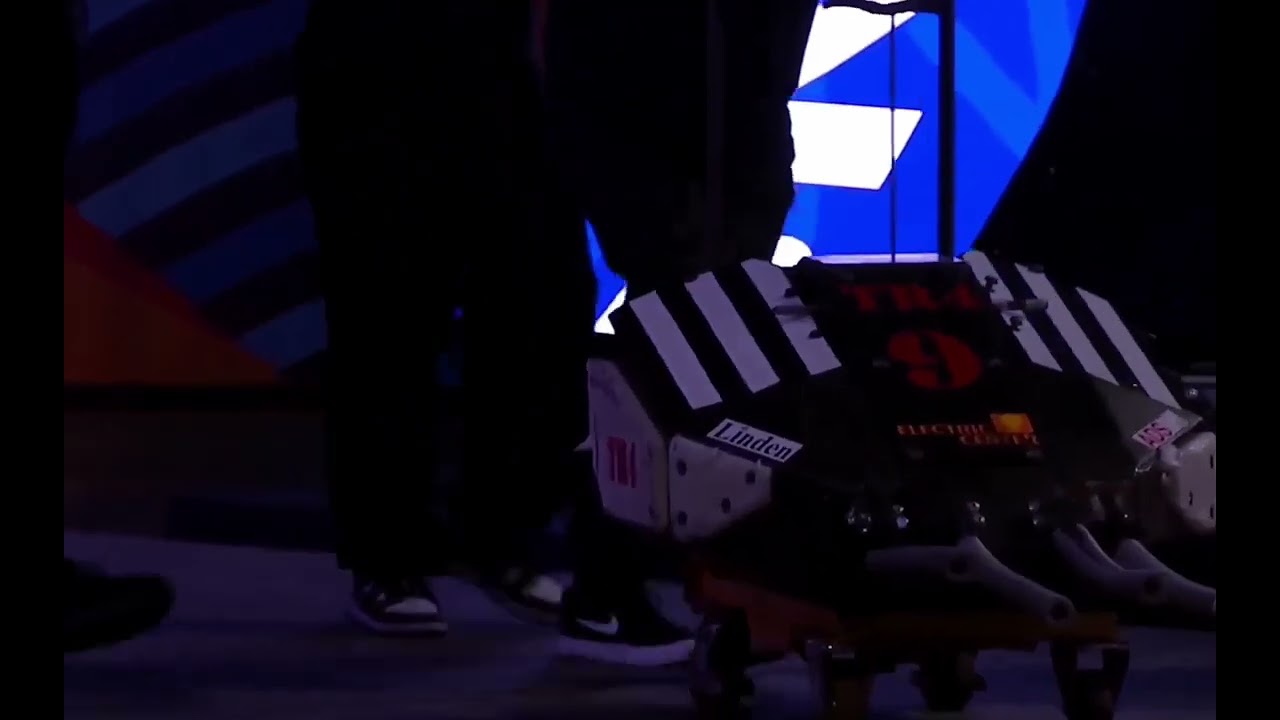
Painted in black-and-white stripes inspired by his beloved Newcastle United Football Club – and carrying the iconic number 9 in tribute to Newcastle football legend Alan Shearer – the machine reflects the northeast England roots of Team Toon (Newcastle supporters call themselves The Toon Army).
The shell may be a love letter to his hometown, but underneath the design is an extremely serious piece of engineering.
TR4 is built around a Hardox steel chassis – a material more commonly used in tanks and heavy industrial machinery. It’s powered by a 1,000psi pneumatic flipper capable of overturning a small car, while its drive system produces more than 8.4 kilowatts of power. A secondary axe weapon swings downward with up to one tonne of force as the flipper rises.
The robot’s aggressive but controlled style helped Team Toon fight through one of the strongest international fields ever assembled in Battle of Robots competition.
“Competing against some of the best engineers in the world was a huge honor,” Alex said after Abu Dhabi. “It was really interesting to see the level required internationally, and we took a lot of encouragement from how competitive we were.”
A family affair
While Alex is the public face of Team Toon, the project has always been a family operation.
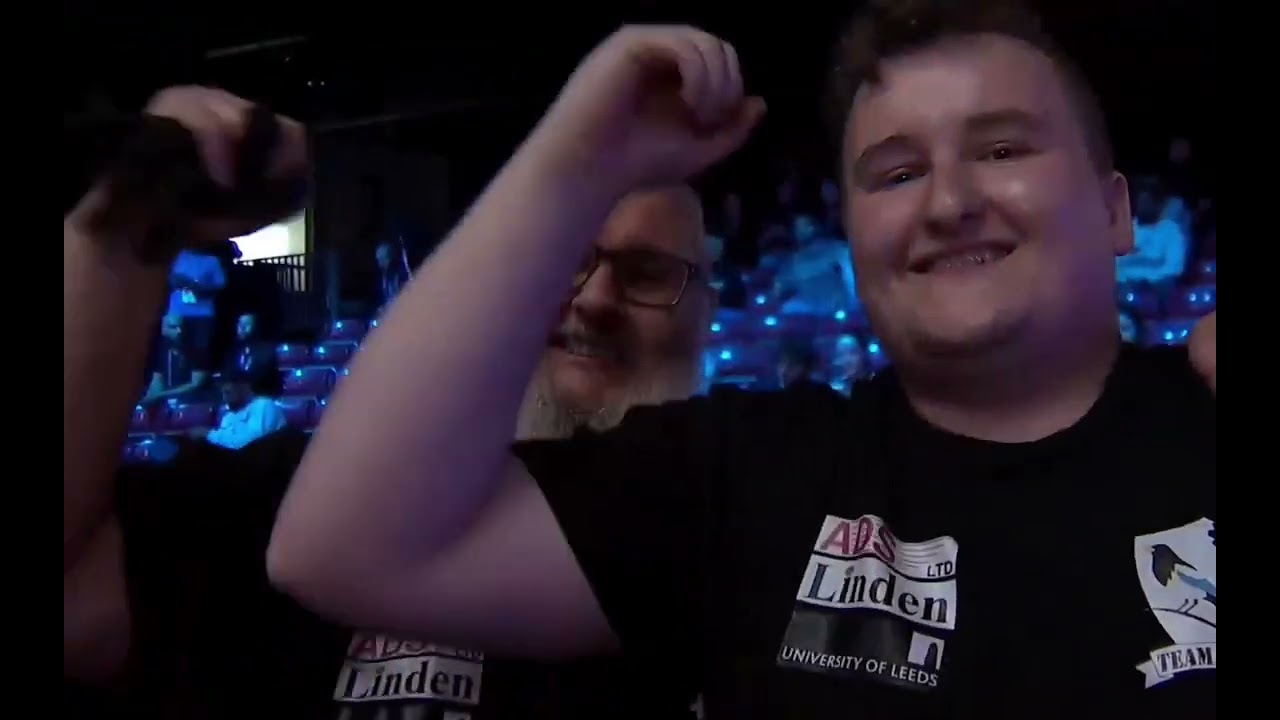
His father, Clive Brown, serves as lead engineer and logistics mastermind, and has spent nearly two decades travelling to events, repairing robots between fights and standing in Team Toon’s corner through every victory and defeat.
His mother, Wendy Brown, manages finances and operations behind the scenes, helping keep the team running across competitions around the world.
Together, they have built one of the UK’s most respected combat robotics teams, but the family connection to engineering runs even deeper – Alex and Wendy are direct descendants of George Stephenson, the famous inventor widely regarded as the “Father of the Railways.”
Engineering obviously runs in the blood.
From Robot Wars to the global stage
Long before Games of the Future, Team Toon had already built a reputation inside the robot combat scene.
In 2016, Alex competed on the BBC TV reboot of Robot Wars with the team’s earlier machine, TR2. Operated alongside both his parents, the robot recorded eight victories, including famous wins over elite machines Carbide and Dantomkia, before finishing third overall.
In fact, TR2 lost only once during the entire competition – to eventual champion Apollo. That breakthrough run gave Alex the blueprint for everything that followed.
Today, Team Toon are no longer just fan favorites from Newcastle. After their performance in Abu Dhabi, they are firmly established on the international Tech Sport stage.
More than competition
Despite competing at the highest level, Alex has earned a reputation across the global robot combat community for humility and sportsmanship.
After defeating a less experienced team in Abu Dhabi, he chose to praise his opponents rather than celebrate the victory.
“They’re great guys,” he said. “I hope they keep coming back and improving their robot. I’ve been doing this for 18 years and this was only their second ever fight – so props to them for getting involved and giving it a go.”
That generous spirit extends beyond the arena.
Following the 2016 Robot Wars series, he organized a charity auction where competitors from Robot Wars and the American series BattleBots donated damaged robot parts for fans to bid on.
The initiative raised more than £10,000 for Cancer Research UK. A share also went to Ty Caraid Africa, where it funded the education of 78 Ugandan orphans for a whole year.
And today, the success Team Toon achieved at Games of the Future has an even more personal meaning. The US$10,000 prize money from Abu Dhabi will help Clive retire after years spent supporting the team.
But that doesn’t mean the end of Team Toon. Alex is already gearing up for the 2026 UK season, which is just about to start, and targeting another domestic championship.
It would be a very brave – or very foolish – person who bets against him.