

The real life of a Phygital Fighter - combining strength with empathy and care for others
The Games of the Future is more than a global sports event. It shows years of hard work from athletes, teams, and the people who support them. Every athlete has a story. Each one is unique and worth telling.
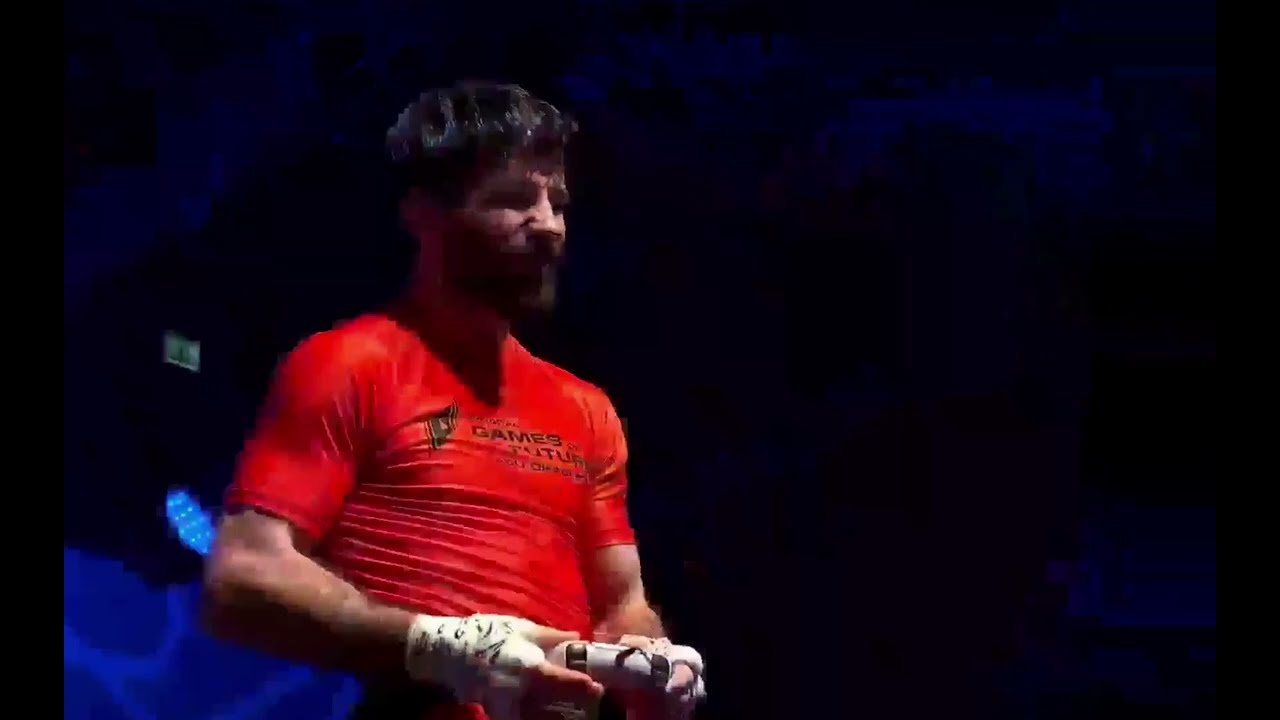
Mark Coates is one of those athletes. As a child, he dreamed of becoming a professional American football player. But as he grew older, he realized that his size would not allow him to reach that goal. Instead, he put all his energy into mixed martial arts (MMA). That choice led him to compete in the Games of the Future.
When people think about MMA, they often picture violence and aggression. They imagine fighters who will do anything to win. But outside the octagon, Mark is very different.
Mark, from the USA, lives a quiet and meaningful life when he is not competing. He works in a care home, helping elderly residents. This may not be what people expect from an MMA fighter, but it is work he truly enjoys.
“I really enjoy talking with the residents,” Mark said. “I also take pride in keeping their rooms clean and safe. The job has taught me patience. Many of the residents have memory issues or are recovering from serious medical events.”
Mark balances two very different roles in his life. As an athlete, he is focused and driven. His fighting style comes from the classic American MMA approach. It focuses on wrestling, pressure, and control. Like many fighters, he does not rely only on sport for income. This means he must manage his time well. He trains after long shifts and has limited time to recover.
That same discipline shows in his daily work.
“At my job, I come in each morning and clean a set number of rooms,” Mark explained. “Sometimes I also clean the floors across the whole building.”
His work takes effort and attention to detail. It also requires strong organization skills. The goal is to keep the care home clean and safe for everyone.
Staff and residents describe Mark as kind and attentive. While his two roles seem very different, they share one key skill: patience.
“Every day is different when you work with older people,” Mark said. “You need to stay calm and patient. The same is true in fighting. If you rush, you can lose.”
Mark took part in the Games of the Future 2025. This experience tested his ability to adapt. The event mixes digital and physical competition, so athletes must think and act quickly.
“Taking part in the Games of the Future changed my life,” Mark shared. “I got to travel, see new places, and do what I love. I didn’t realize how big the event was until I was there. It was amazing to see video games come to life. Growing up, I dreamed about being a character in those games. Now I get to live that dream.”
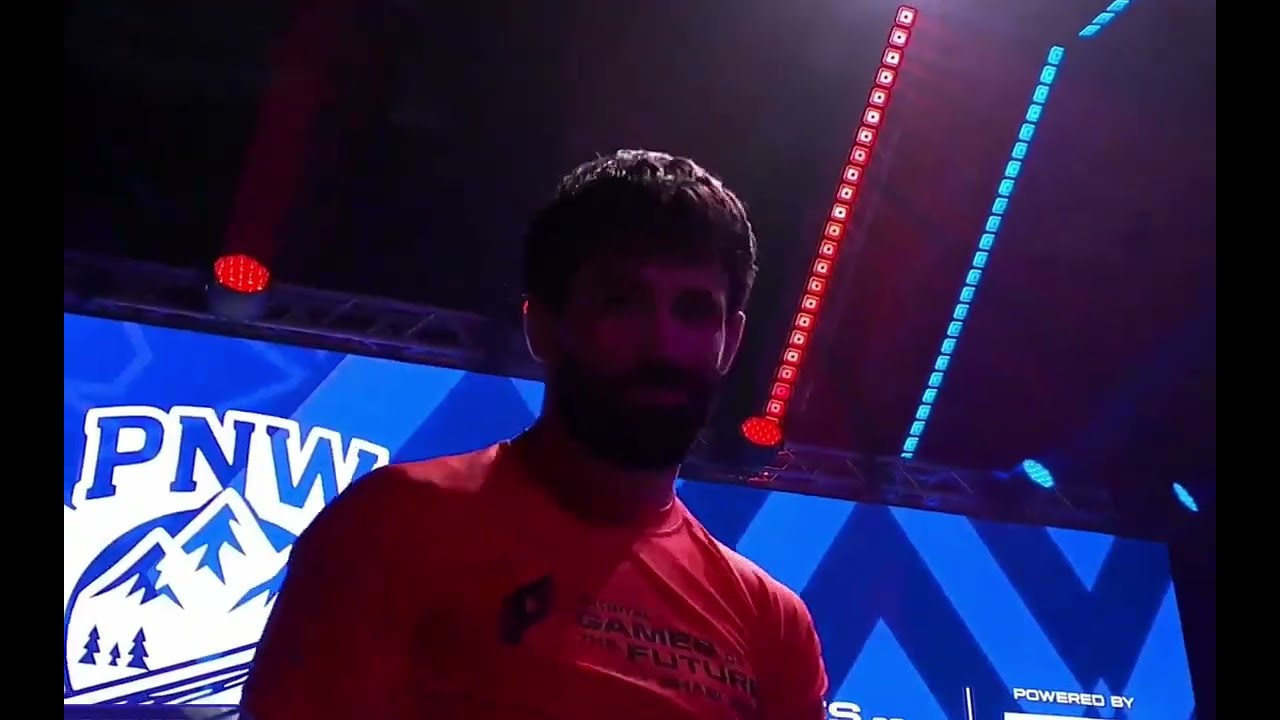
After returning from Abu Dhabi in 2025, Mark decided to grow in his care career. He spoke with his manager and chose to become a Certified Nursing Assistant (CNA). He trained at Washington State University, passed his exams, and now provides more direct care to residents.
“This was a great decision,” Mark said. “I love helping people. Some need support at the end of life, while others need help getting back to normal. It feels very rewarding. I like to help others through acts of service. One day, I hope someone will care for me the same way.”
Mark’s life shows a powerful contrast. In the ring, he is strong and aggressive. At work, he is calm and caring. These two sides may seem opposite, but they work together.
His story shows that one person can succeed in very different areas. Mark proves that strength and kindness can exist side by side. That is what makes him a true role model—both as an athlete and as a person.