

Games of the Future – the pinnacle of phygital sport
What is the Games of the Future?
The Games of the Future (GOTF) is the world's leading international event for phygital sports, which brings together phygital sports, esports and tech sports in one global competition. Athletes and gamers compete across disciplines that combine physical performance with digital gameplay, alongside elite esports and technology-driven competitions. Organized by Phygital International, the Games of the Future showcases the future of sport through innovation, competition and emerging technologies.

The three competition categories – phygital sports, esports and tech sports
The Games of the Future is built around three competition categories: phygital sports, esports, and tech sports. Together, they showcase how athletic performance, competitive gaming and emerging technologies are shaping the future of sport. Each category offers a distinct competitive experience while contributing to GOTF’s vision of bringing physical and digital competition together on one global stage.
Phygital Sports
Phygital sports are the foundation of the Games of the Future. Each discipline combines a digital stage and a physical sporting contest, with the same athletes or teams competing in both. The format is designed so that athletes are required to combine gaming skill, physical ability, teamwork and strategy within a single competition. While host cities are free to include any phygital discipline, the five core disciplines should always be in the lineup.
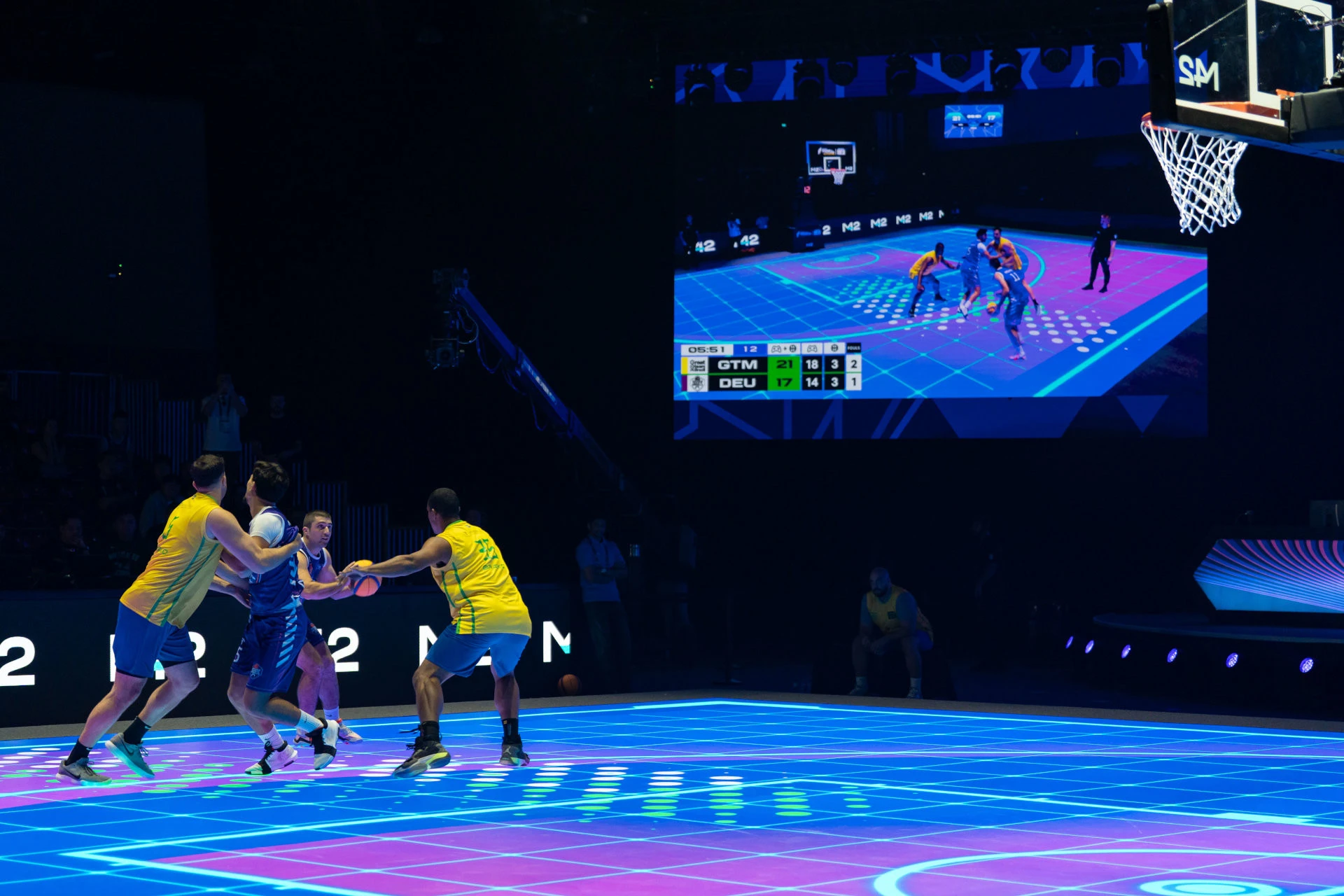
Phygital Basketball
Digital (video game on console) + physical (basketball 2x2)

Phygital Football
Digital (video game on console) + physical (futsal on 5-a-side pitch)

Phygital Shooter
Digital (video game on PC) + physical (laser tag on 5-a-side)
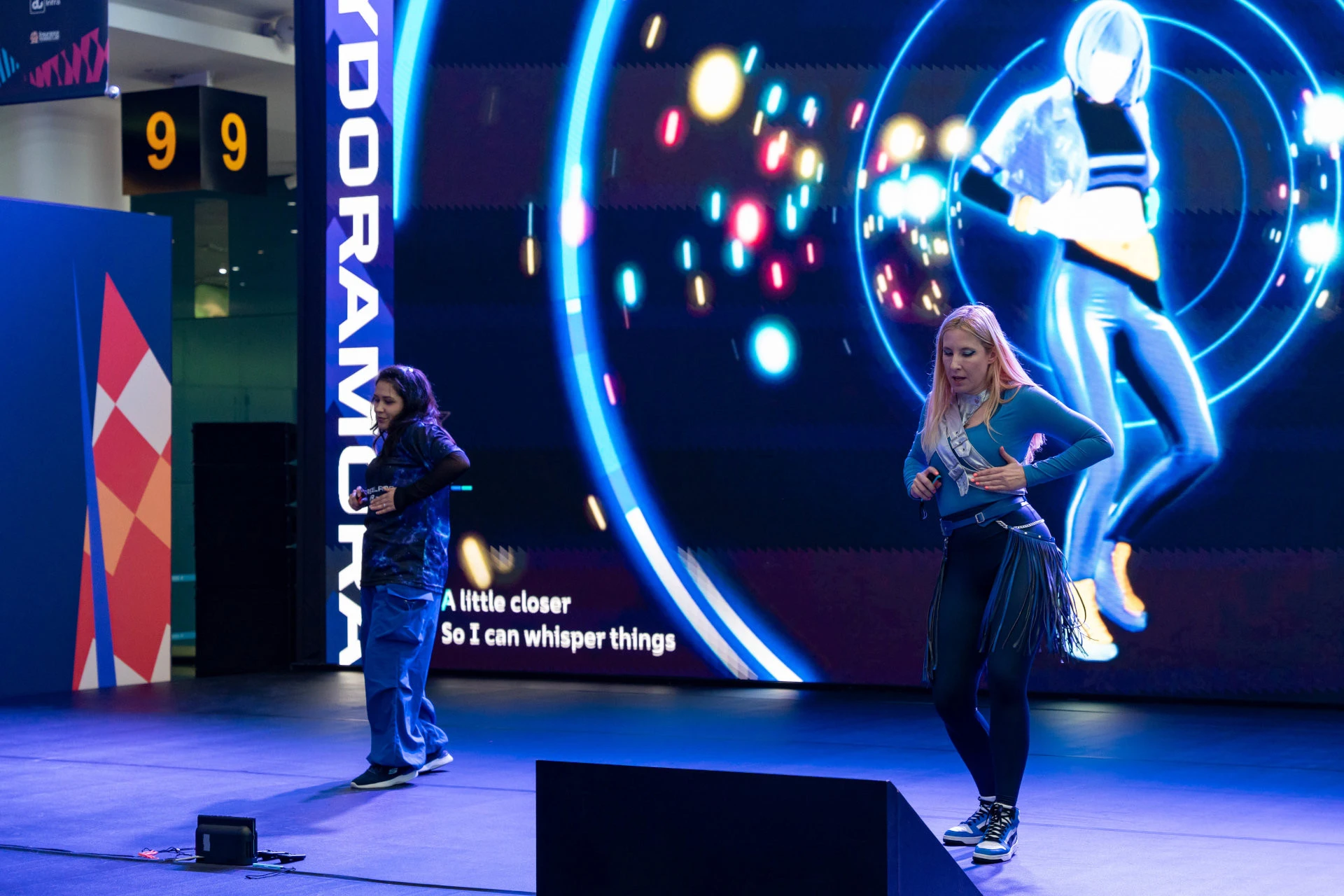
Phygital Dancing
Digital (rhythm game on console) + physical (live dance performance)

Phygital Fighting
Digital (video game on console) + physical (MMA in octagon)
Esports
The Games of the Future also features world-class esports competitions, bringing together professional players and teams to compete in some of the world's most popular gaming titles.
Unlike phygital sports, esports competitions take place entirely in the digital environment using traditional competitive gaming formats.

MOBA (PC)
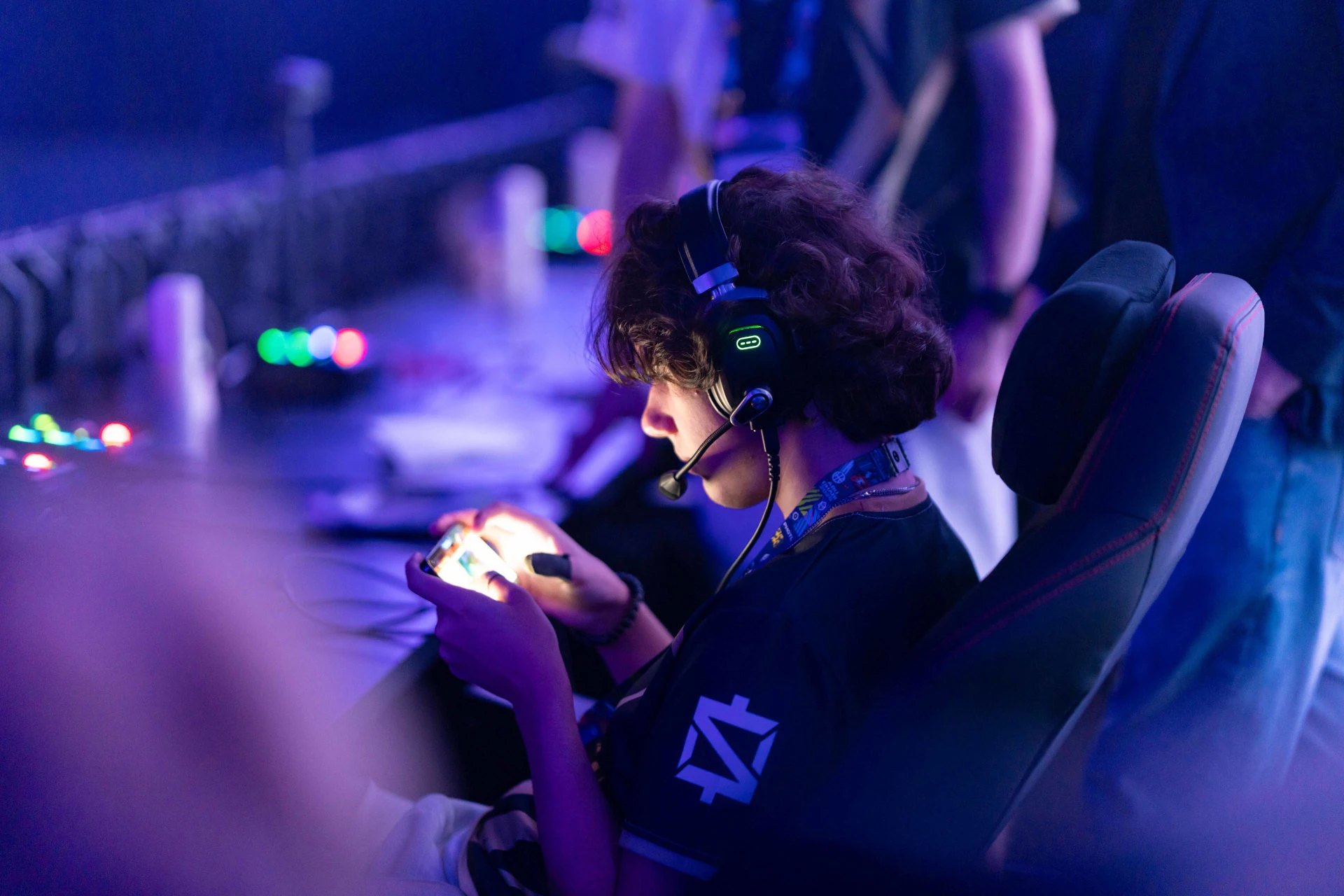
MOBA (Mobile)

Battle Royale
These competitions complement the wider disciplines program by attracting the global esports community to experience the broader Games of the Future ecosystem, creating new connections between competitive gaming, phygital sport and traditional sport.
Tech Sports
Tech sports focus on competitions where technology itself is central to performance. These events combine engineering, innovation and technical expertise with competitive skill.
Some of the tech sports that have been featured at the Games of the Future include:

Drone Racing

Battle of Robots
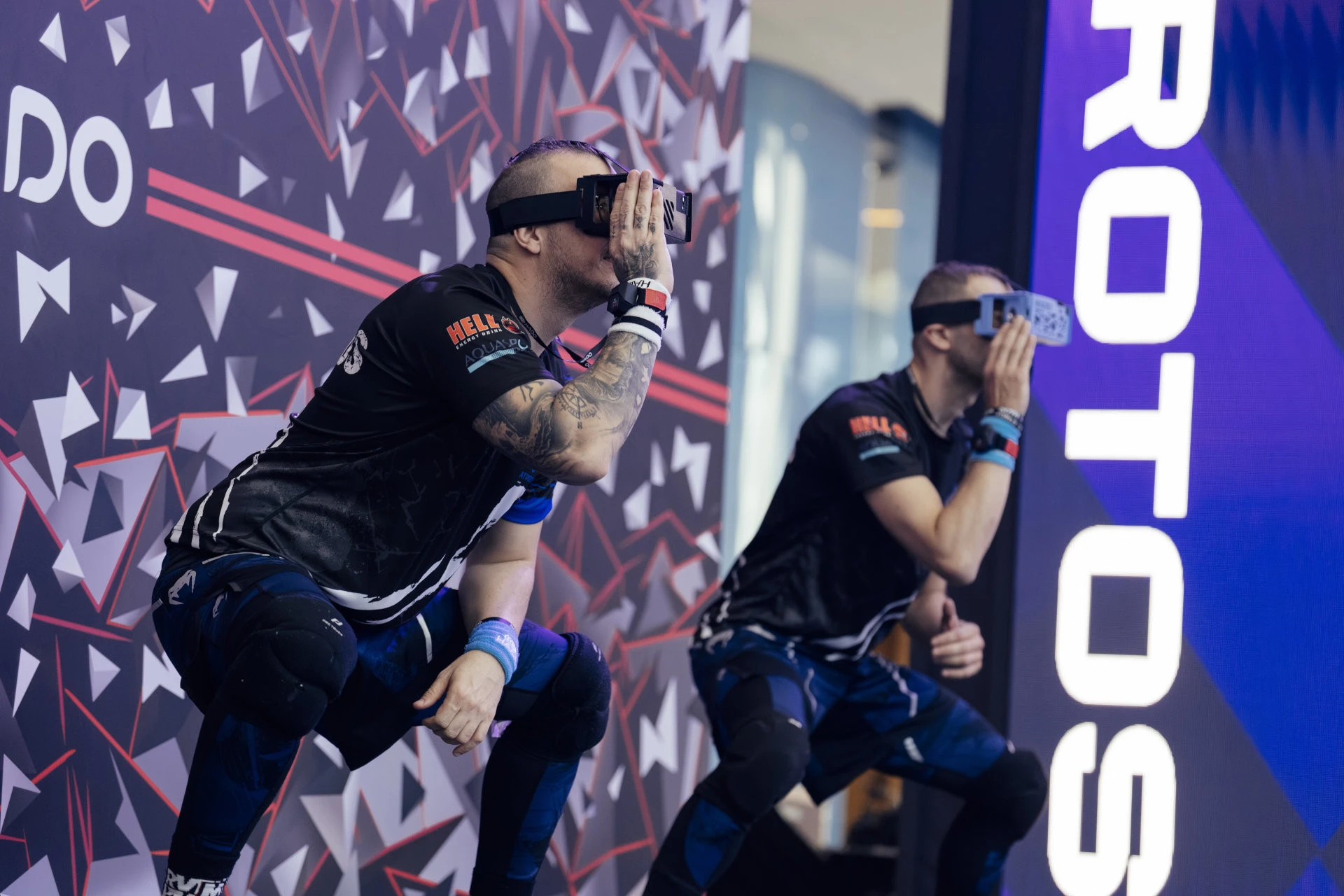
VR Games
These disciplines demonstrate how advances in robotics, virtual reality and autonomous technologies are creating new opportunities for athletes, engineers and innovators to compete.
By combining these three categories in a single event, the Games of the Future brings together athletes, gamers and technology pioneers from around the world to showcase the future of global sport.
Who organizes GOTF?
Each edition of the Games of the Future (GOTF) is organized by a Local Organizing Committee (LOC) in the host city, who work with Phygital International, the official GOTF rights holder.
Phygital International oversees the host-city bidding process, sets the standards for the event, and provides the framework that ensures every edition is delivered to international standards.
You can find out more about the governance of GOTF and the phygital ecosystem here .
What disciplines were featured?
Games of the Future 2026 featured eight confirmed disciplines across phygital sports and esports.



By the Numbers
Games of the Future 2026 saw:
participants
days
prize pool
The core phygital disciplines
Every edition of the Games of the Future is built around a core program of phygital sports that forms the foundation of the event. These disciplines combine digital gameplay with live athletic competition, requiring participants to compete in both stages of the same sport, with their combined performance determining the final result.
These core disciplines also form the basis of the international qualification system. Throughout each season, clubs compete in official ranking events and qualification tournaments organized across the global phygital ecosystem. This is how World Phygital Community members earn their place at the Games of the Future.
Host cities also have the flexibility to introduce additional phygital sport disciplines alongside the core program, allowing each edition to reflect local interests, showcase emerging formats and support the continued evolution of the phygital movement.
While esports and tech sports may vary from one edition to the next, the core phygital disciplines remain at the heart of the Games of the Future, providing a consistent international competition pathway while showcasing the unique format that defines phygital sport.

Phygital Football
Phygital Football combines competitive football gaming with a live 5v5 football match.
Teams first compete in UFL, before moving directly onto the football pitch. The goals scored in both the digital and physical stages are combined to determine the result, rewarding clubs that excel across both environments.
Success requires tactical awareness, technical football ability, teamwork and adaptability.

Phygital Basketball
Phygital Basketball begins with a match in 3on3 Freestyle before transitioning to a live 2x2 basketball game.
The score from the digital stage carries into the physical match, meaning every point counts towards the overall result. Athletes must combine basketball fundamentals with gaming skill to outperform their opponents.

Phygital Shooter
Phygital Shooter combines tactical first-person gaming with live laser tag competition.
Competitors first play Counter-Strike 2 before entering a purpose-built laser tag arena. Performance across both stages contributes to the final score, testing strategy, communication, teamwork and physical agility.

Phygital Dancing
Phygital Dancing brings together rhythm-based gaming and live dance performance.
Competitors first perform in Just Dance before showcasing their skills on stage through a live dance routine. Judges evaluate the physical performance while digital scores also contribute to the final result, rewarding creativity, precision, rhythm and stage presence.

Phygital Fighting
Phygital Fighting blends combat gaming with live martial arts competition.
Athletes begin by competing in a fighting video game before moving into a physical combat arena. Success depends on combining technical gaming ability with speed, discipline and physical performance under pressure.
GOTF by the numbers – nations, athletes, broadcast reach, live attendance
The Games of the Future has rapidly established itself as one of the world's fastest-growing international sporting events, bringing together elite competitors, global audiences and leading broadcasters through its unique blend of sport and technology.
Games of the Future Abu Dhabi 2025 , was held from 18-23 December 2025 at ADNEC Centre Abu Dhabi, welcoming more than 800 participants from 64 countries to compete across phygital sports, esports and tech sports. Building on this momentum, Games of the Future Astana 2026 took place from 29 July to 9 August 2026, again bringing together more than more than 800 participants from over 50 countries across 12 days of competition – all competing for a share of the US$4.64 million prize pool. The event continued to showcase the world's best phygital athletes while further expanding the global reach of the phygital movement.
The Games of the Future attract audiences across every major region, with particularly strong engagement in:
- Southeast Asia and China
- South America
- Central Asia
- India
- Europe
- Middle East and Africa
- North America
Event History
The Games of the Future is the result of more than a decade of work to build a new kind of international sporting event - one that combines competitive gaming and physical sport into a single competition.
The event was conceived at the intersection of sport, gaming and technology, designed to reflect how new generations play, compete and watch entertainment.
A team of sports and technology leaders — including Nis Hatt, René Fasel and Philippe Blanchard — spent years developing the phygital format before the Games ever launched. Their goal was to combine digital gameplay and physical performance into one coherent sporting competition.
More than 19 countries explored hosting a phygital tournament before anything went public. The first one took place in Kazan in February 2024. Kazan 2024 was the moment phygital sport moved from concept to reality — real athletes competing across both digital and physical disciplines, on a real stage. Its success laid the foundations for the Games of the Future as a recurring international event.
The biggest milestone came in December 2025, when Games of the Future Abu Dhabi 2025 took phygital sport to a truly global stage for the first time. This wasn't a test event — it was a full-scale international tournament. Abu Dhabi 2025 proved phygital sport could go truly global: 850+ participants, 64 countries, 137 million unique viewers, one Games. Coverage reached 27 media partners broadcasting in 13 languages.
The most recent edition, Games of the Future Astana 2026, took place in Kazakhstan in July 2026, with more than 800 participants and a prize pool of US$4.65 million. Each edition of the Games of the Future is awarded through a competitive bidding process — cities around the world compete for the right to host what is fast becoming one of the most distinctive events on the international sporting calendar.