
What is phygital sport and how does it work?
What is Phygital Sport?
Phygital sport is a hybrid competition that combines physical sport with competitive gaming into a single match. Athletes compete in both the digital and physical versions of the same sport, with scores from each stage combined to determine the winner.
How phygital sport works
Step 1 - Compete in the digital stage
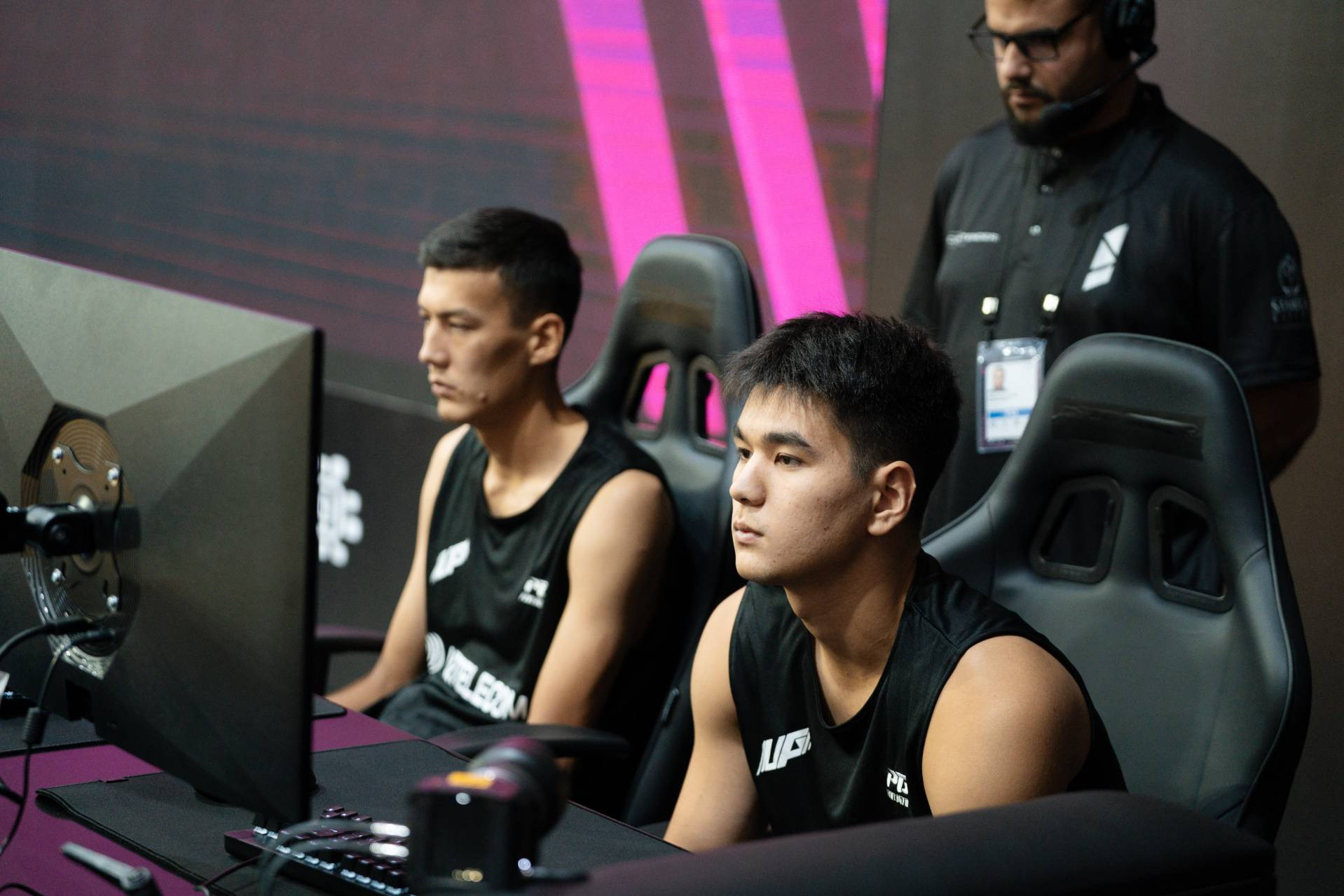
In most disciplines, the match begins in the video game version of the sport, and the score or result from this match carries forward.
Step 2 - Move to the physical stage
Players jump onto a pitch, court or arena and begin play with the same scoreboard left at the end of the digital stage.
Step 3 – One combined result – or one last showdown
When the physical stage ends, scores from both rounds are added together and the team or athlete with most points is declared the winner. In the event of a tie, a “sudden death” playoff takes place.
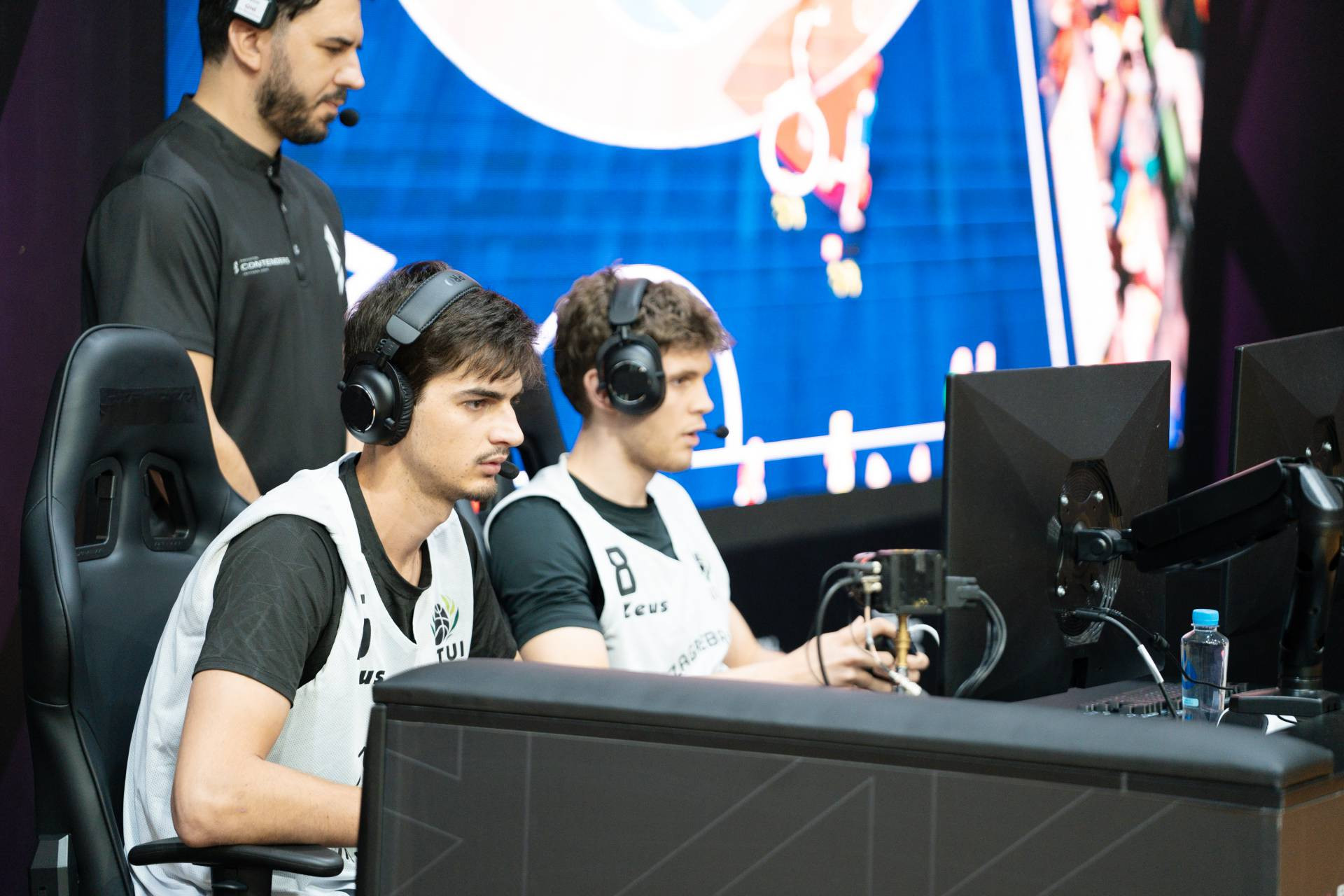
To give some examples – in Phygital Football , this means that teams begin with a UFL match on the console, before taking to the field in a 5x5 futsal game. In Phygital Basketball , teams first play 3on3 FreeStyle, before competing in a real-life 2x2 basketball match.
In Phygital Fighting , each team has four MMA athletes, each competing in a different weight class. Athletes start competing one-on-one on a console. Then the same pair of athletes compete in an MMA fight in the octagon. Teams are ranked based on the total number of points earned across all matches. The team with the most points is the winner of the competition.
The origins and history of phygital sport
How phygital sport was born
Phygital sport didn't happen overnight. The team behind it – including Nis Hatt, René Fasel, Philippe Blanchard and others – spent more than a decade developing the concept, working out how to genuinely fuse competitive gaming and physical sport into a single, coherent competition.
Before anything went public, over 19 nations were approached and explored the idea of hosting a phygital tournament. The first one finally took place in Kazan, in February 2024 – a landmark moment that proved the format could work on a real stage, with real athletes competing across both digital and physical disciplines.
From concept to international organisation
That first event acted as a proof of concept. What followed was the building of a proper international structure to take phygital sport to the world.

In 2024, Phygital International (PI) was established as the permanent, commercially-run home of the Games of the Future – the organisation responsible for growing the brand globally and managing the sport at the highest level. Based in the UAE, PI oversees the Games of the Future itself, which is awarded to host cities through an open, competitive bidding process.

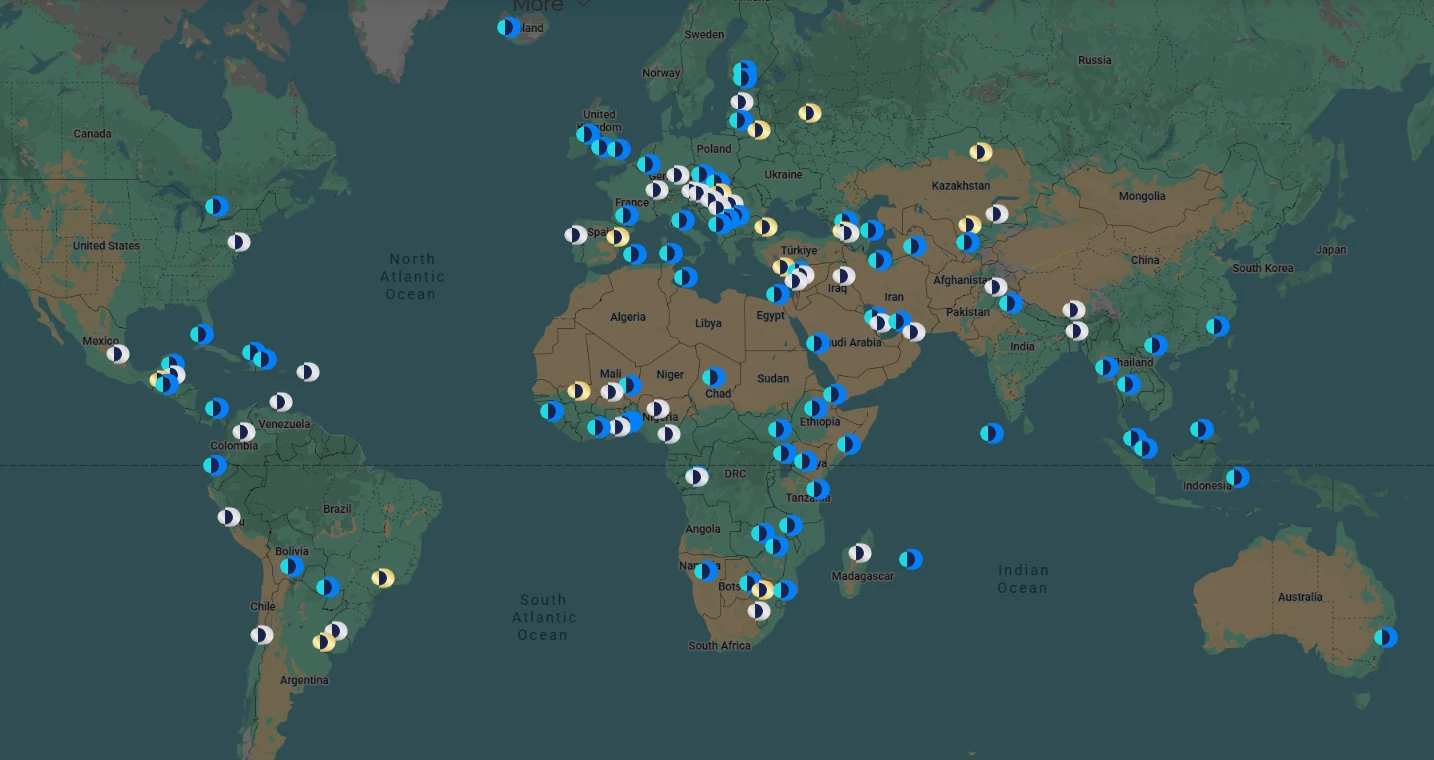
Sitting alongside PI is the World Phygital Community (WPC), an independent not-for-profit organisation, which launched its global membership programme on 15 July 2024. Based in Hong Kong, WPC works with national member organisations to run grassroots competitions (known as Phygital Origins and Phygital Rivals), develop teams and athletes, and grow phygital sport from the ground up in communities around the world. Today, more than 120 member organisations across over 115 countries are part of that network.
The Games of the Future go global

The biggest milestone so far came in December 2025, when the Games of the Future Abu Dhabi 2025 took phygital sport to a truly global stage for the first time. This wasn't a test event – it was a full-scale international sporting tournament that welcomed more than 850 participants from 64 countries, was broadcast by 27 media partners in 13 languages, and was watched by 137 million unique viewers worldwide.

Games of the Future Astana 2026, took place in Kazakhstan from July 29 to 9 August 2026, with more than 800 participants and a prize pool of US$4.65 million. Each edition is awarded through a competitive bidding process, meaning cities around the world compete for the right to host what is fast becoming one of the most distinctive events on the international sporting calendar.
The case for phygital
Phygital sport represents a new way to compete, combining digital gaming and physical sport within a single competition. By bringing these two worlds together, it creates value for athletes, sports organisations, commercial partners and fans alike.
For athletes, phygital creates a competitive home for those who already have a passion for both the digital and physical sides of their discipline. At the same time, it opens the door for athletes and gamers who have traditionally competed in just one environment. It invites them to develop new skills, challenge themselves in a different way and become part of a growing global community that bridges sport and gaming.
For clubs and organizations, phygital complements existing sports programmes by attracting new audiences and providing opportunities to develop talent through structured competitions – from grassroots events such as Phygital Origins and Phygital Rivals to international tournaments such as Phygital Contenders and the Games of the Future.
For sponsors and partners, phygital offers access to highly engaged, digital-first audiences through a format that spans live events, broadcasts, streaming, gaming and social media, creating authentic opportunities for brand integration.
By bringing together physical and digital competition, phygital reflects how new generations play, compete and engage with sport, creating a more inclusive and future-ready model for everyone involved.
Global growth and numbers
In just a few years, phygital sport has evolved from a new concept into a global sporting movement, with structured competitions taking place across every region of the world.
Today, the World Phygital Community (WPC) includes more than 120 member organisations across over 115 countries, working to develop phygital sport at the grassroots, national and international levels.
The sport's rapid expansion is reflected in the growth of the Games of the Future and its qualifying ecosystem. The 2025/2026 season hosted a total of 62 ranked tournaments across 23 countries across its local and regional tournaments (Phygital Origins and Phygital Rivals) before progressing to international qualifying events and ultimately the Games of the Future, the world's premier phygital sporting event.
The rapid growth of phygital sport is perhaps best illustrated by the evolution of the Games of the Future. The Games of the Future Abu Dhabi 2025 welcomed more than 850 participants from 64 countries. The event was broadcast by 27 media partners in 13 languages, while the launch of the dedicated Phygital+ OTT platform enabled fans around the world to watch every discipline live.