
Franco Vitali: The scientist who became a Phygital Dancing champion
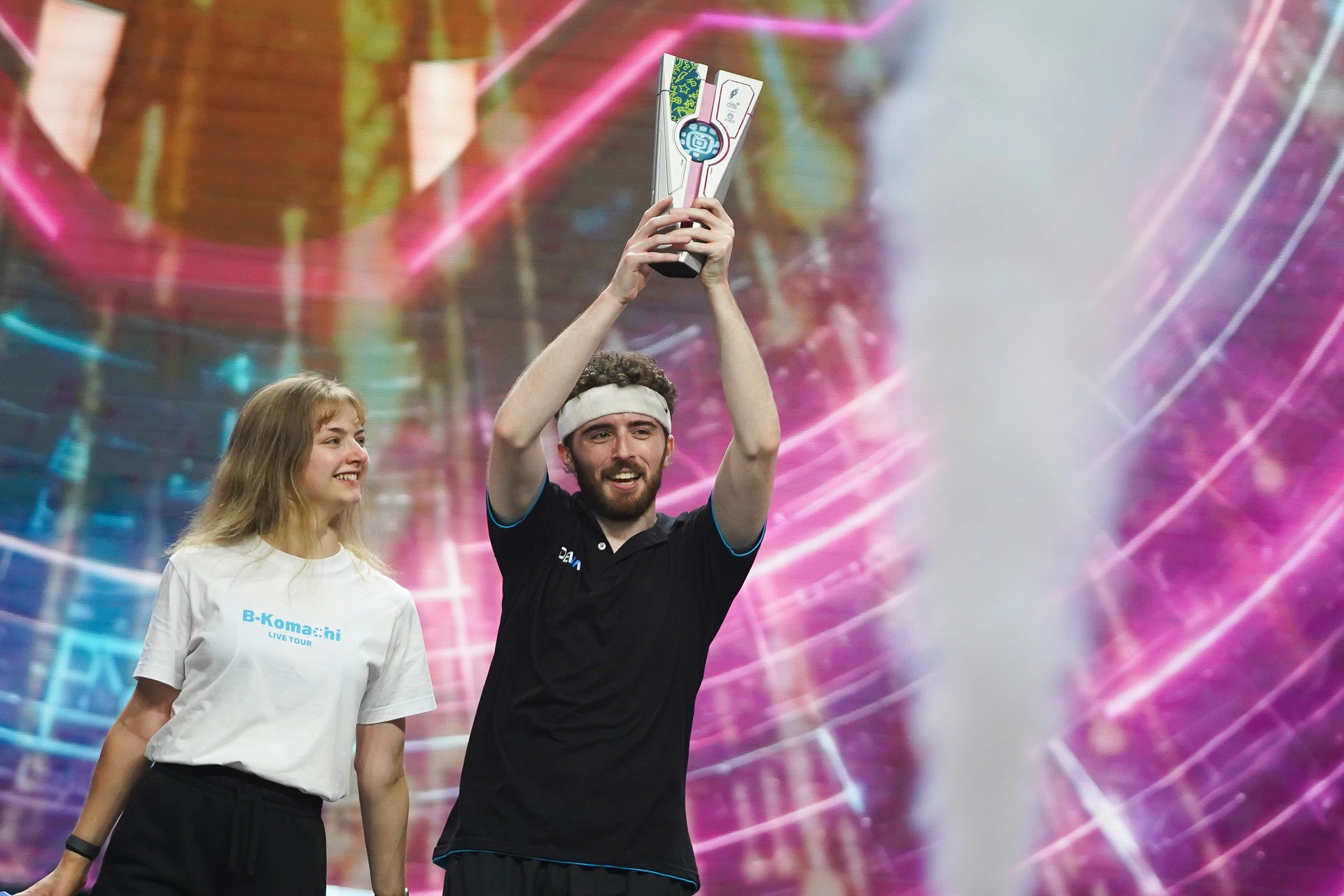
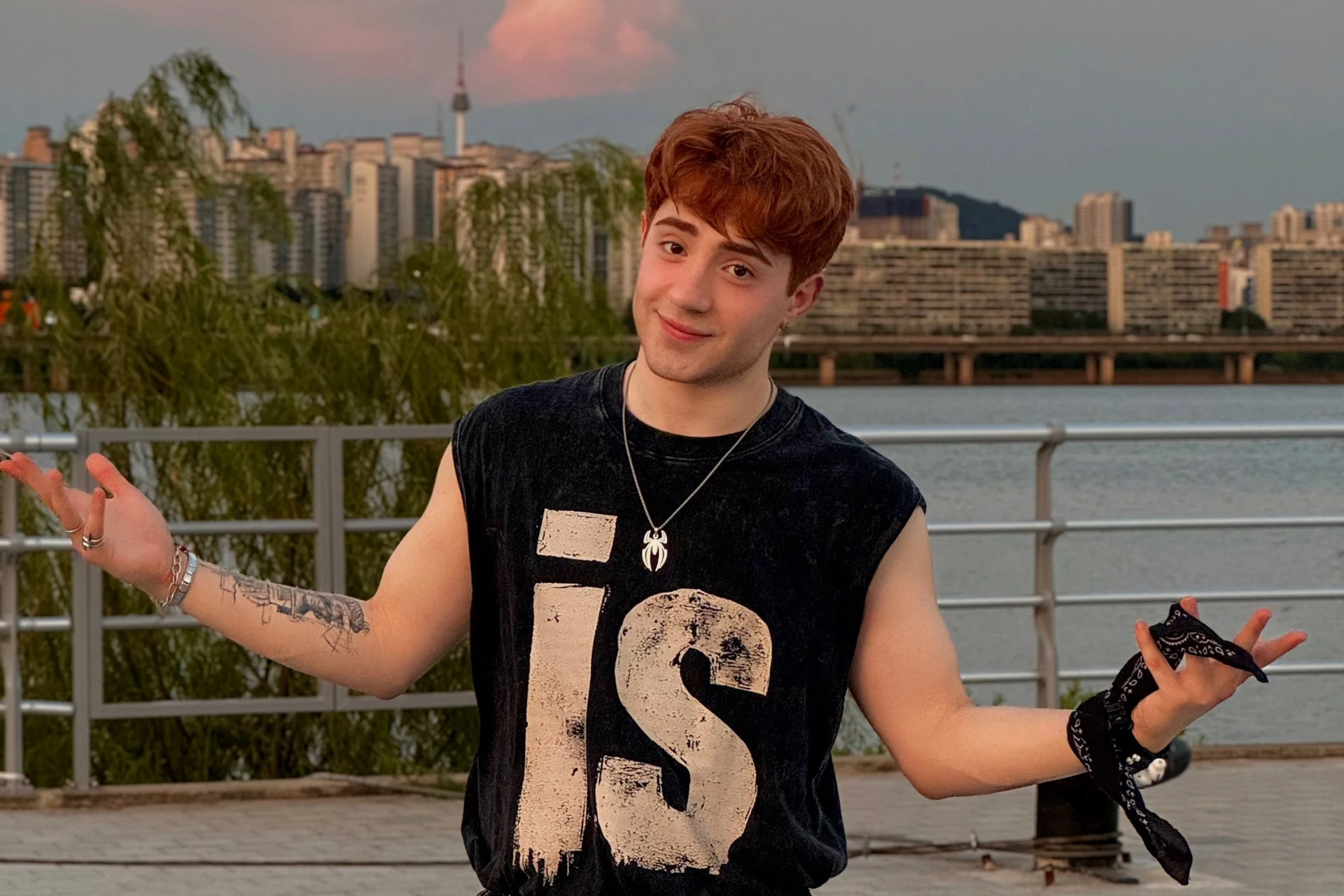
By day, Franco Vitali is a biotechnology graduate, doctoral student and teacher. Away from the laboratory and classroom, he has spent more than a decade competing in Just Dance. And those years of experience saw him take on 15 other competitors, where after six battles he secured his first Phygital Dancing title at the Games of the Future 2026 in Astana.
Vitali
We caught up with him after his celebrations to find out all about the friendships he made in Astana to the pressure of the competition and the challenge of combining scoring with choreography. In our chat, Franco reflects on the journey that led him to the top and explains why winning the title means much more than one tournament.
Now that you have had some time to reflect, what stands out most from your experience at the Games of the Future 2026 in Astana?
The friends I made there, I had the opportunity to meet a lot of people I only knew by social media or as Just Dance idols from past World Cup competitions (like Umutcan, Tiago and Dion). Now I miss everybody, but I’m looking forward to seeing them at the next GOTF edition!
You competed against 15 of the world’s strongest Phygital Dancing athletes and went through five battles before reaching the final. How demanding was the competition compared with the tournaments you had experienced before?
I can say that this competition was TOUGH, but it had some chill things I’ve never experienced in a tournament, like the banning system, fewer songs in the pool than I’m used to, and rounds that were well divided, so I had time to rest but also to practice a few details for the upcoming round (indeed, my fellow competitor Lina and I practiced Chiwawa before our final and learned a few tricks.
You have mentioned in one of your interviews that in the weeks before the competition, you trained for two to three hours a day, sometimes even longer. What did a typical training session look like, and which areas were you trying hardest to improve?
In general, I like to give my all in my first tries of the maps (that’s the choreography for each track)I have to improve, and if I can’t do it, I will pass to the next ones or even stop practicing and just dance other Just Dance maps.
Specifically, in every map I practice the scoring part (only arms), following the rhythm with my legs, and when I can high-score that map, I will unite scoring with the whole choreography so I can have a good performance in both areas, scoring and dancing. I think the hardest part of training is merging both things in a way that one can get high scores consistently.
Alongside your Phygital Dancing career, you are a biotechnology graduate from the Universidad Nacional de Hurlingham, a doctoral student in Biological Sciences and a teacher. How do you manage to balance such demanding academic and professional commitments with elite-level competition?
They complement each other! Dancing is an excellent way to be healthy and also to relieve the stress of academic life. It puts me out of that box into a whole new one, another facet of me, an older one that has been with me for almost my whole life.
Do you see any similarities between biotechnology and competitive dancing?
Yes. Sometimes wanting to be precise and repeat that over time can be very frustrating when things don’t go as planned, and that happens a lot when doing experiments and practising Just Dance maps! This competition made me realize that both worlds have taught me to manage those kinds of feelings, not to give up and still keep trying.
How did your classmates, colleagues and students react when they discovered that the biotechnology graduate or researcher they know is also a world champion in Phygital Dancing?
They were happy and applauded me a lot. Many of them didn’t know Just Dance beyond the typical tracks played at birthday parties for everyone to dance to, so they were surprised by the professional scene and by the fact I was in it.
In Argentina, a champion of any sport is celebrated We call it “Another coronación de gloria”, which refers to to our national anthem that says “crowned with glory”. So the word spread out and became national news for weeks because people couldn’t believe that a scientist could be a world champion in Phygital Dancing.
You said after the final that you still could not believe you were champion. Has that feeling changed since returning home? I have seen that your had a very warm welcome back home.
It’s not a surprise anymore, but it is something that I carry as a part of me. I had the reflection that winning was the output of something bigger that happened for more than 10 years, and all that process led to me being the world champion, so I have it settled by now.