
"GOTF is a chance to make history"
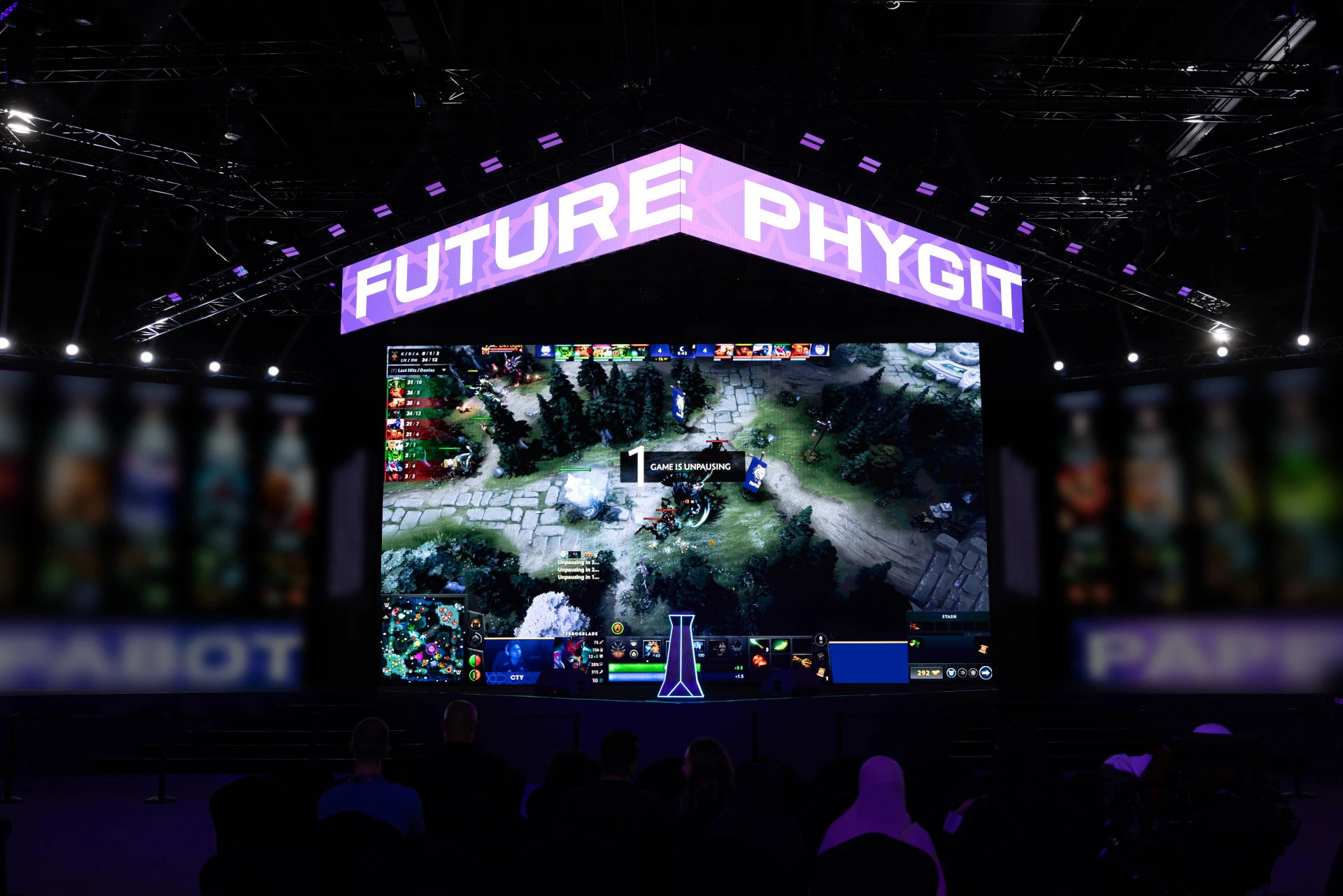
The world's best phygital football clubs are preparing to meet in Astana for the Games of the Future 2026, where digital precision and physical performance will decide who lifts the trophy.
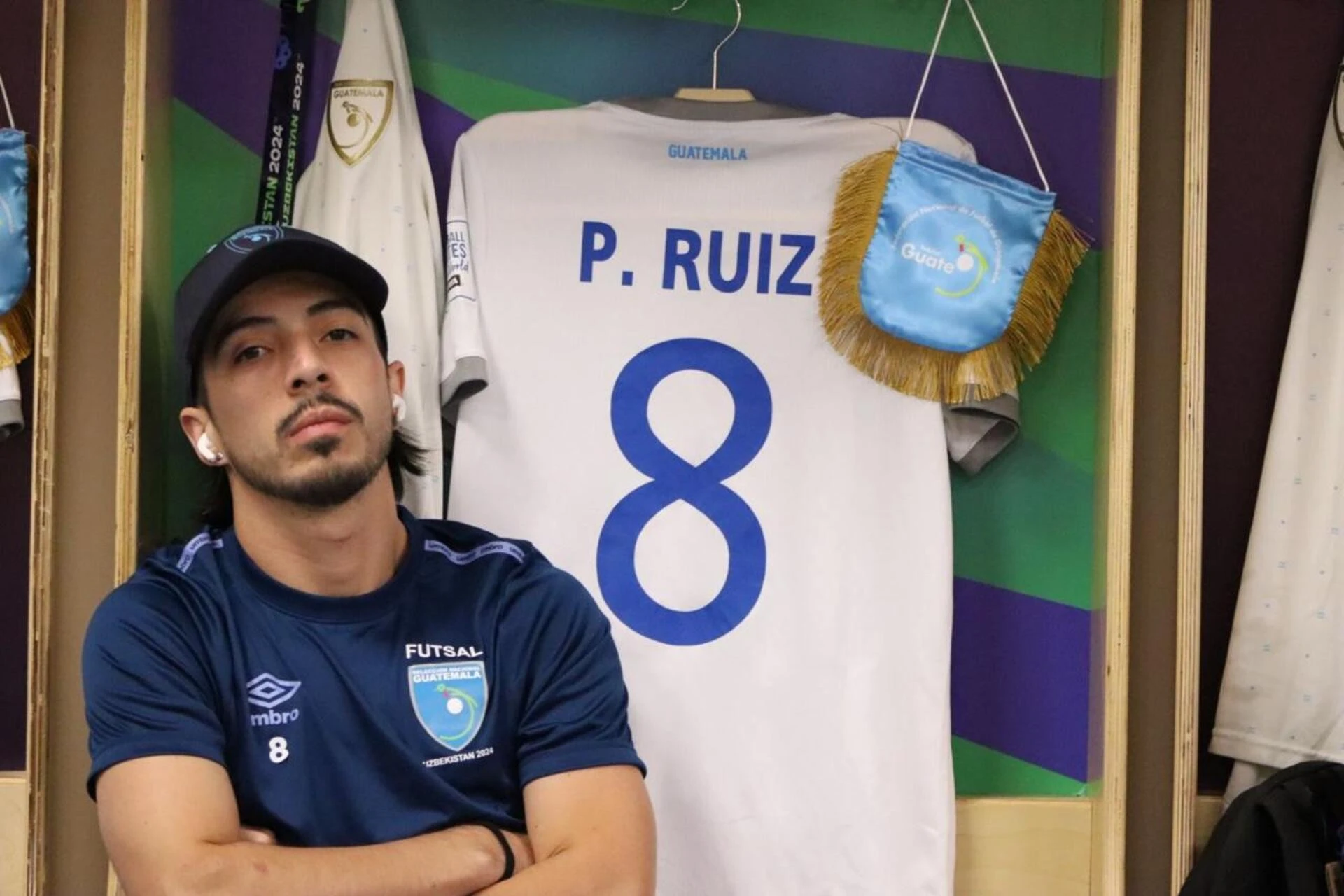
Among the athletes ready for the challenge is Patrick Ruiz Jurado. After competing for years at the highest level of futsal (playing for teams like Aquasistemas, Glucosoral and FSC Legendarios), he is embracing a new discipline that combines two worlds he believes belong together. Drawing on his experience, versatility and competitive mindset, Patrick hopes to help his team make its mark on the biggest stage in phygital sport.
Ahead of the Games of the Future 2026, he spoke about his journey, the lessons futsal has taught him, and why he believes phygital football represents an exciting future for the sport.
You have represented your country at three FIFA Futsal World Cups and won major titles throughout your career. What motivated you to take on a new challenge in phygital football?
After many years competing at the highest level in futsal, I wanted to take on a new challenge. Phygital football combines two worlds –—technology and traditional sport – and that immediately caught my attention. It’s an opportunity to keep learning, to compete in an innovative format, and to help grow something that I believe has a very exciting future.
Which aspects of your experience do you believe translate best into the phygital format?
Futsal teaches you to think and react under pressure. The speed of the game, quick decision-making, ball control in tight spaces, and tactical discipline are all qualities that transfer naturally into phygital football. The physical stage is intense, so having that background gives you an advantage when every action can make a difference.
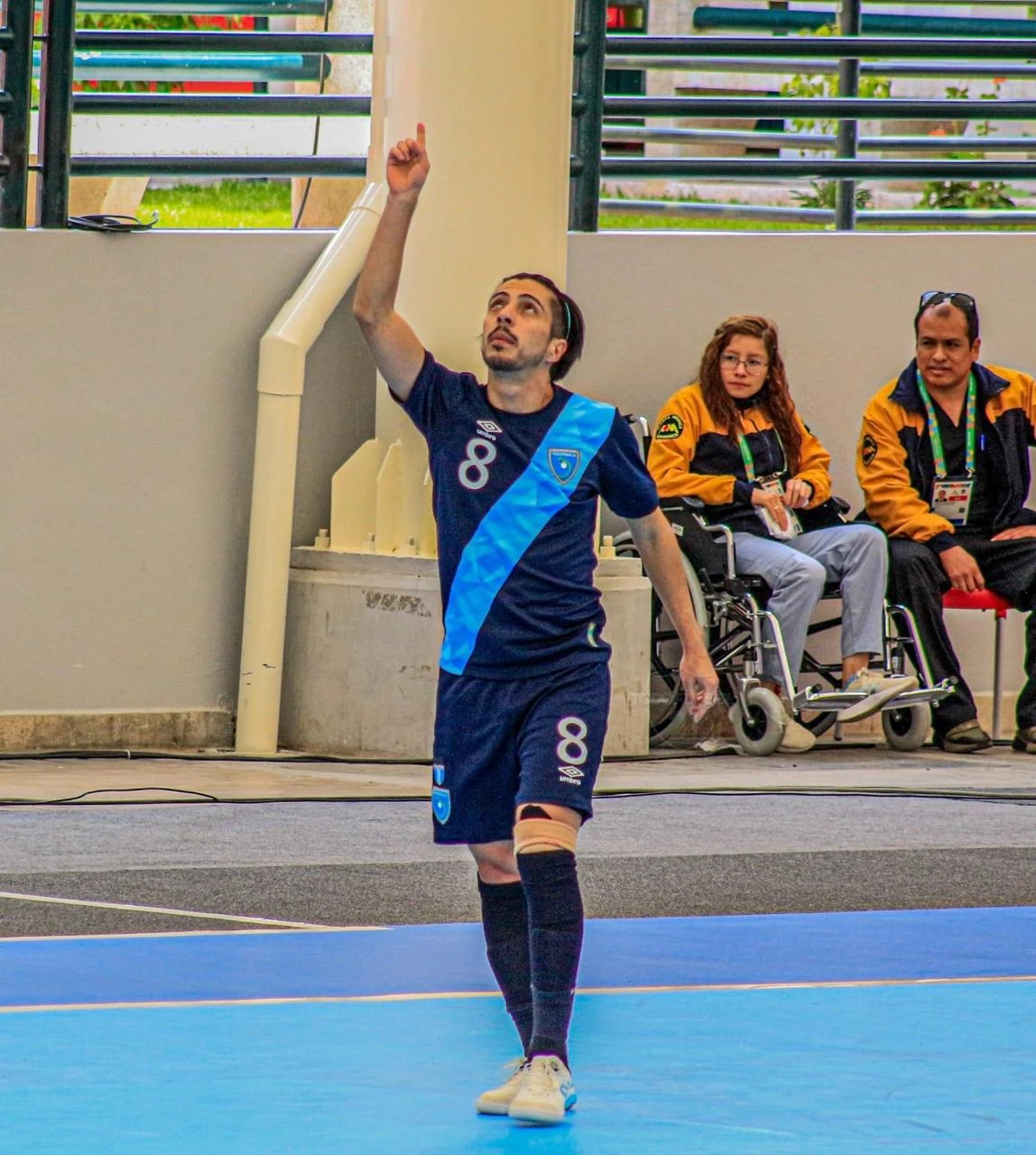
We’ve worked hard to prepare for both sides of the competition. The digital stage requires strategy, communication, and consistency, while the physical stage demands fitness, technical quality and teamwork. We have trained to approach the competition as one complete game because every goal, whether virtual or physical, has the same value in the final result.
What are your expectations heading into Astana, and what are the goals for you and your team?
We know we’ll be facing some of the strongest teams in the world, so we have a lot of respect for every opponent. At the same time, we’re confident in our preparation. Our goal is to compete at the highest level, represent our club and country with pride, and fight for the title.
Throughout your career you've been known for your tactical intelligence and ability to play multiple positions. How does that versatility influence your approach in phygital football?
Being able to play different positions has always helped me understand the game from different perspectives. In phygital football, adaptability is essential because situations change very quickly. My experience allows me to adjust to what the team needs and make decisions that benefit the group.
You grew up in a family where futsal is part of everyday life, alongside your brother Wanderley. How has that shared journey shaped your mentality as a player, and does it help when adapting to a new discipline like phygital football?
Futsal taught me discipline, competitiveness, and respect for the game from a very young age. Sharing that journey with my brother has been special because we’ve challenged each other to improve every day. That mindset of always learning and adapting has definitely helped me embrace a new discipline like phygital football.
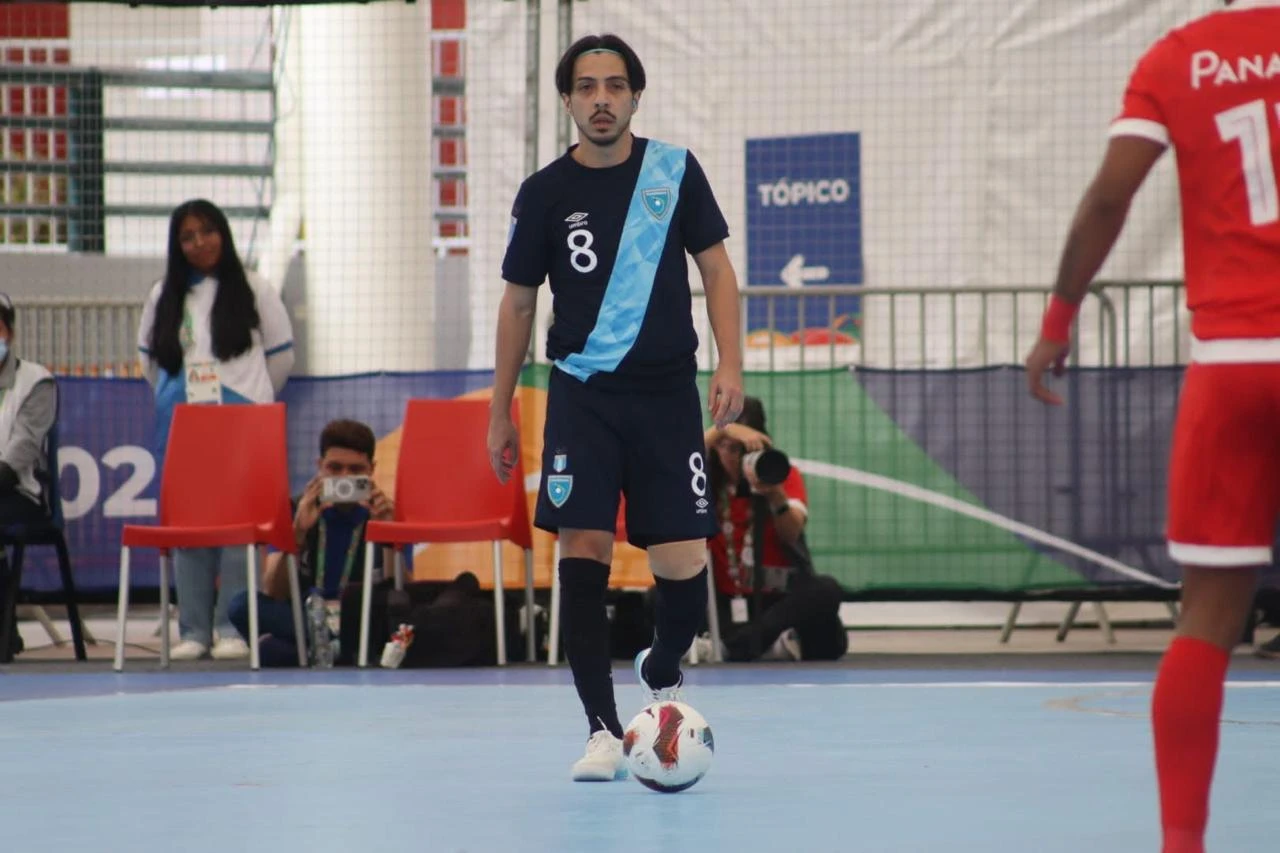
I believe phygital sport has enormous potential. It connects traditional sport with new generations who have grown up in the digital world. Rather than replacing football or futsal, it creates another pathway for competition, entertainment, and global engagement.
You have competed in World Cups and won major titles throughout your career. What makes the Games of the Future a unique challenge, and what excites you most about competing in this new format?
I’ve been fortunate to compete in World Cups and many important tournaments, but the Games of the Future offer something completely different. It’s a competition that rewards complete athletes and complete teams by combining digital and physical performance. Being part of something that’s shaping the future of sport is exciting, and it’s a chance to make history in a new discipline.