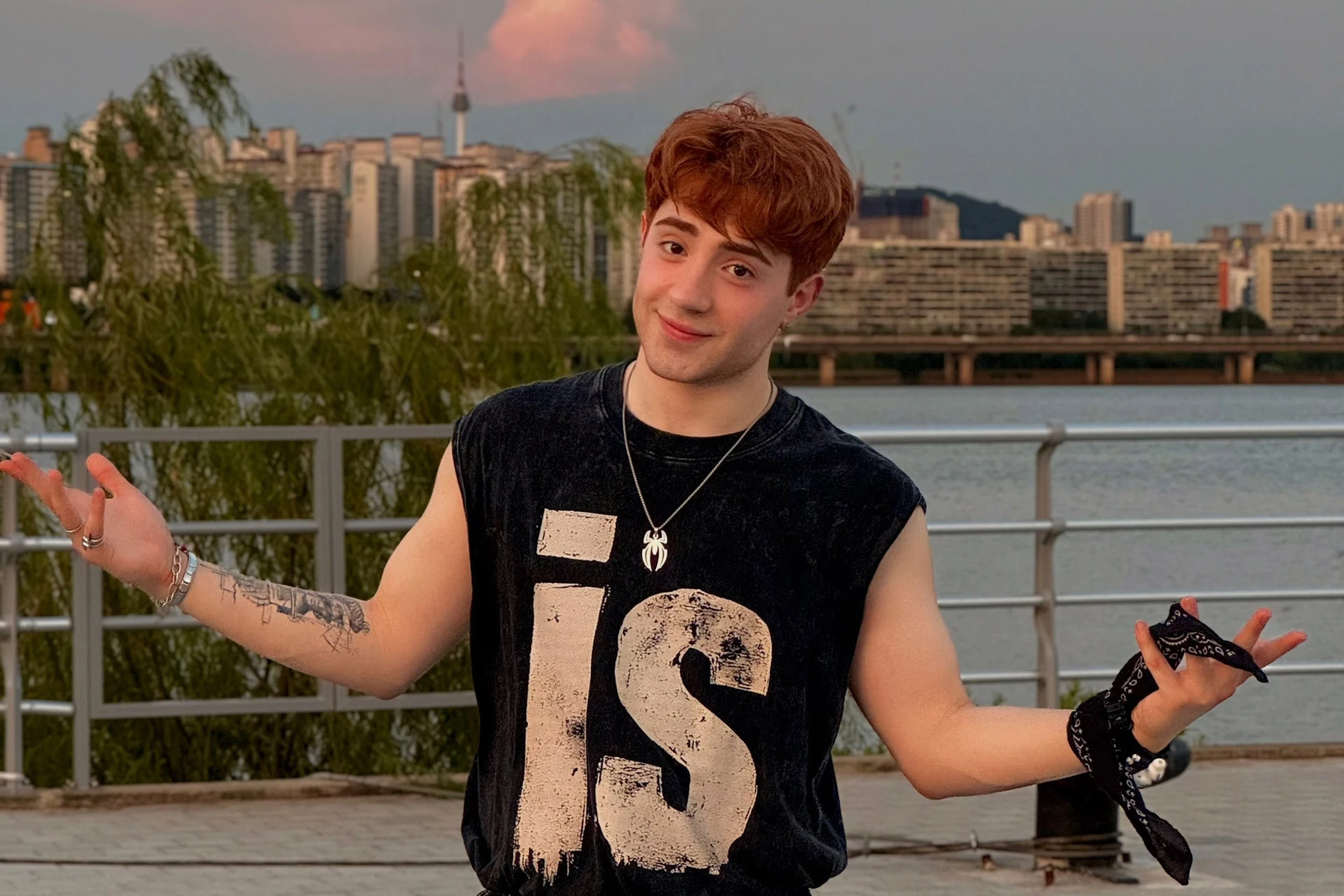

Mao Kureha: Phygital Fighting is shaping the future of competitive gaming
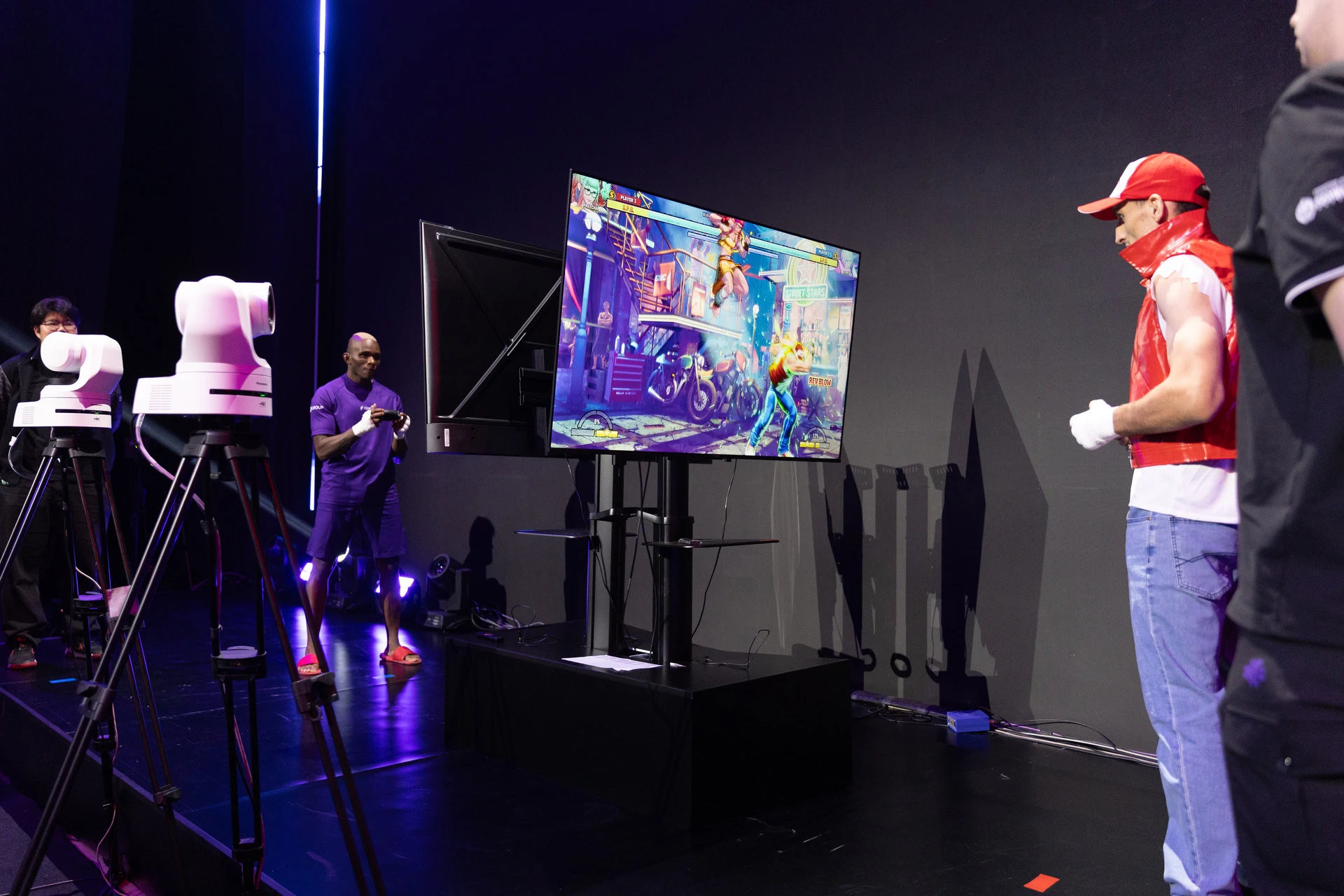
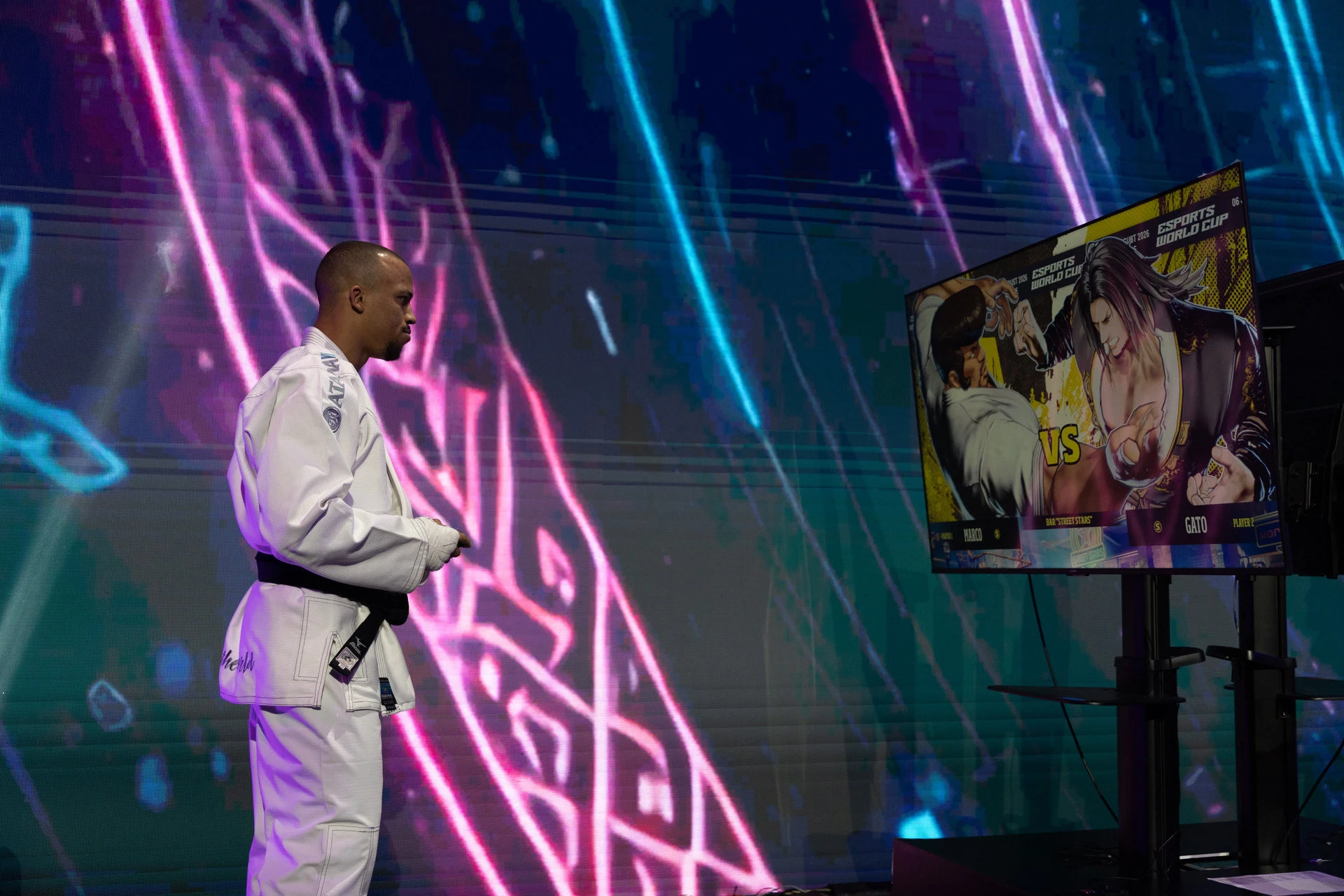
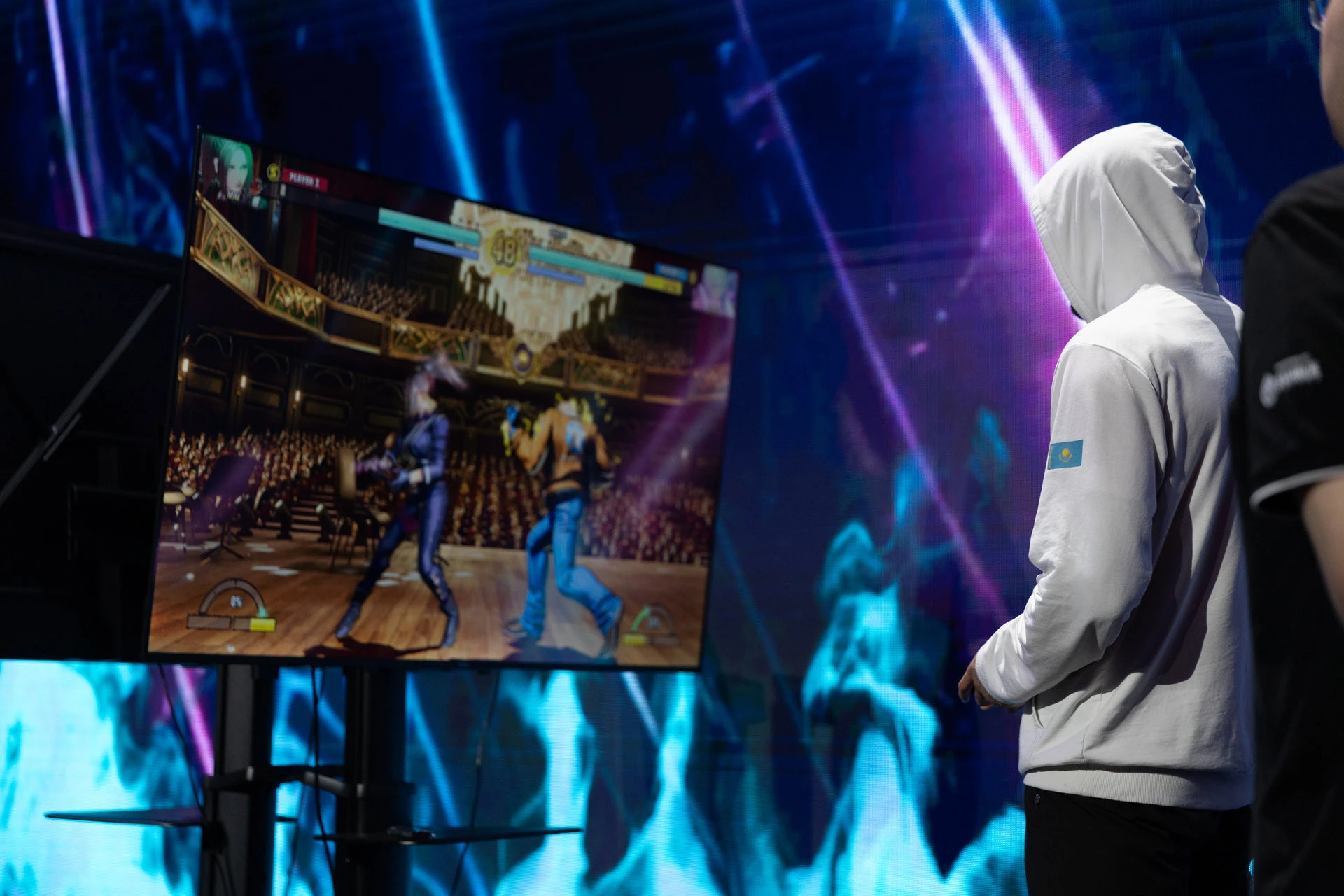
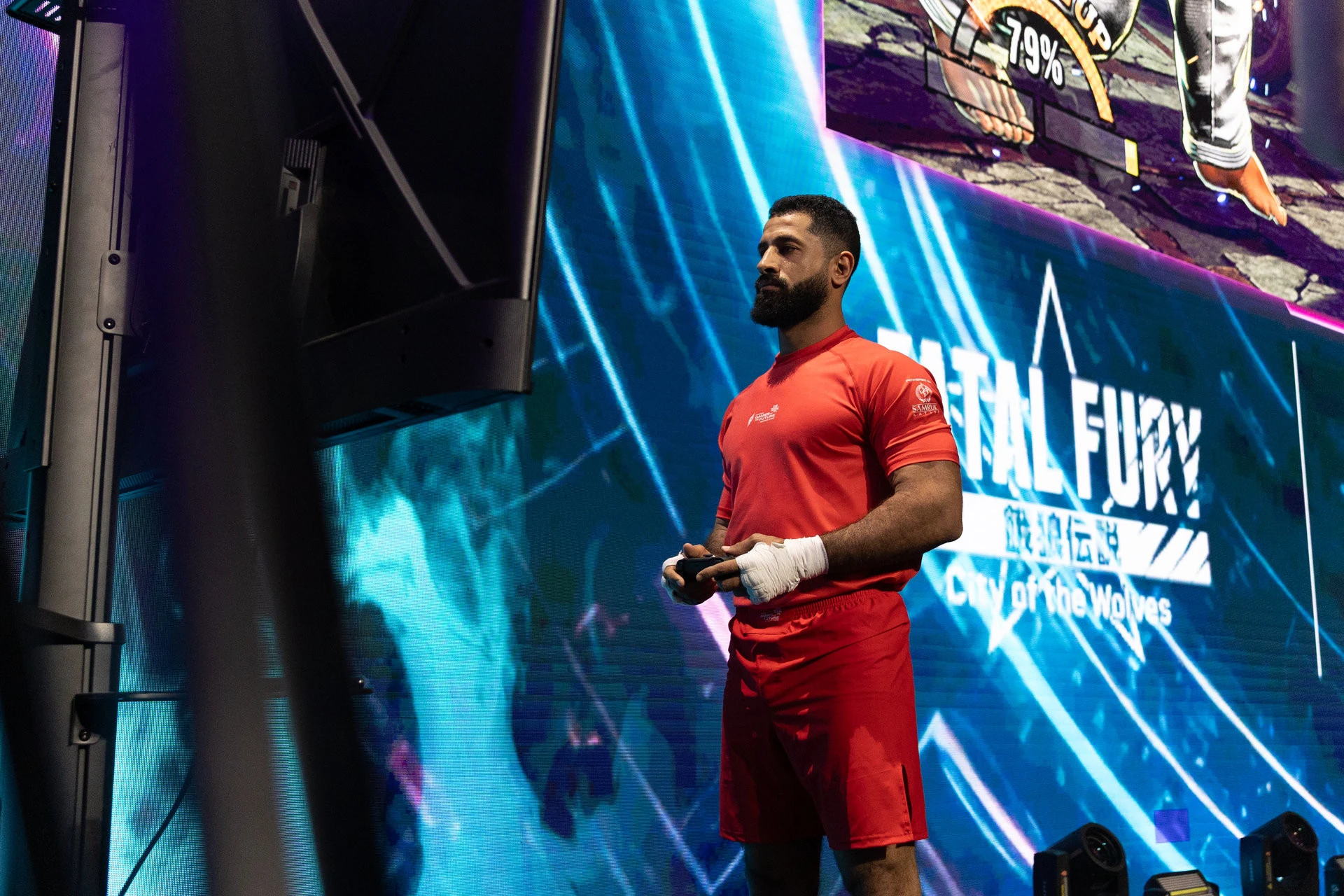
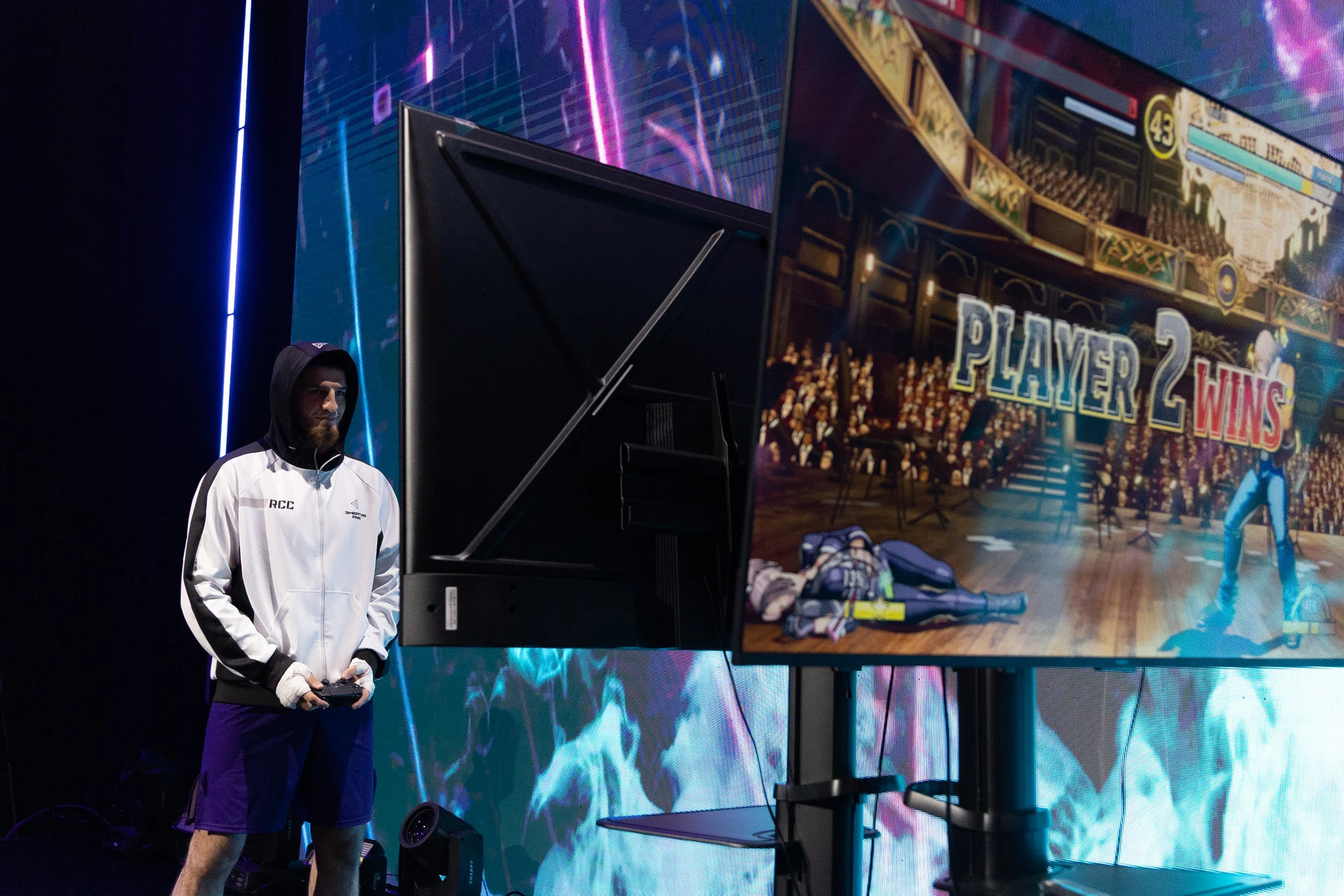
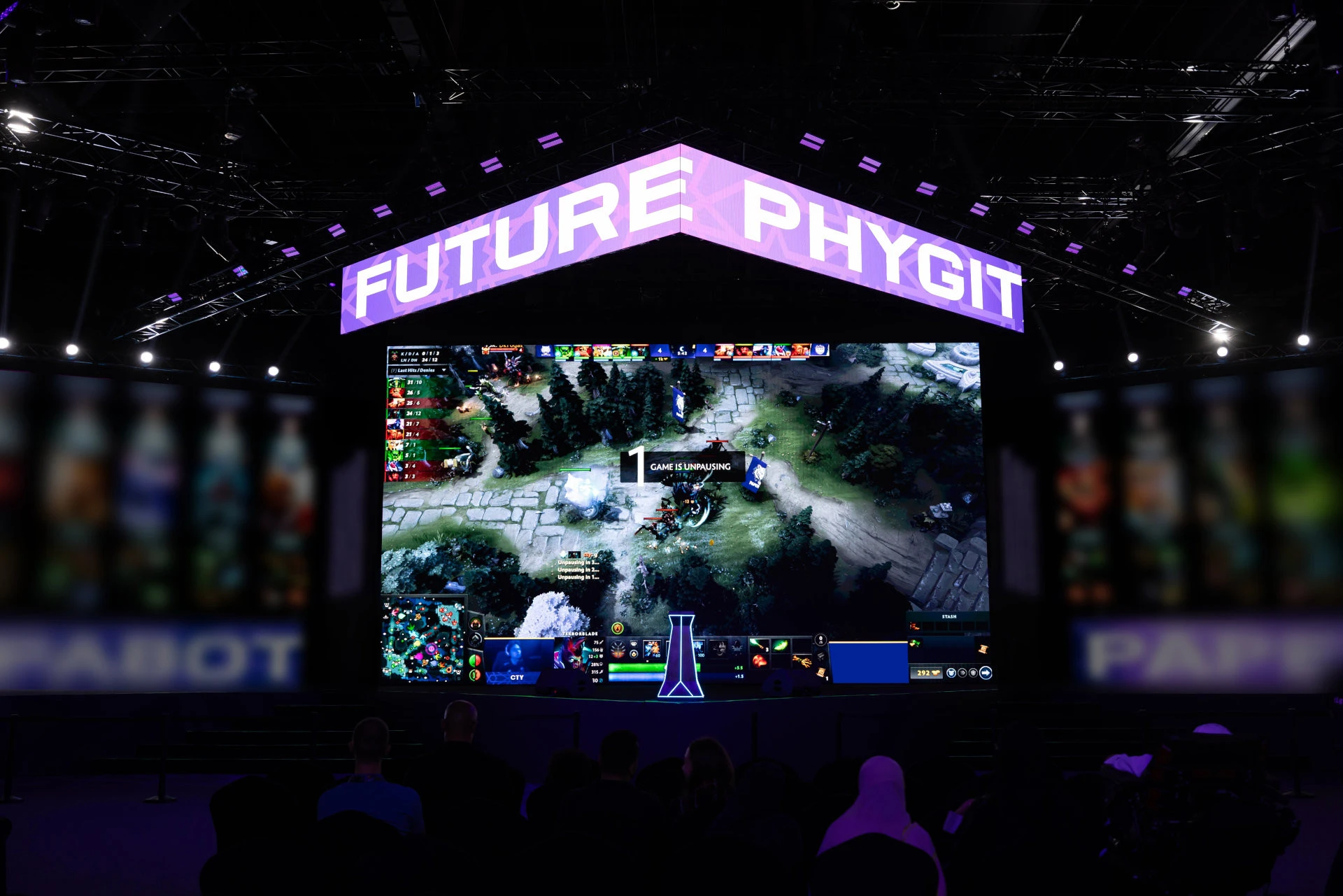
At the Games of the Future Astana 2026, Phygital Fighting brought digital competition and physical combat together in one discipline, with SNK’s FATAL FURY: City of the Wolves featured in the digital stage.
For Mao Kureha , who works in community development and player advocacy at SNK, phygital sport offers new ways to connect players, fans and athletes. It also creates opportunities for established franchises to reach new audiences and explore the future of competitive gaming.
We spoke with Mao Kureha and discussed SNK’s decision to take part in the Games of the Future, the role of community in shaping FATAL FURY’s future, and why the company sees phygital competition as a natural evolution for fighting games, how players shape the franchise, and where phygital sport could take Fatal Fury next.
Phygital sport is establishing itself as a new category of competition. From a publisher's perspective, what makes it different from traditional esports and why did SNK want FATAL FURY: City of the Wolves to be part of it?
For a publisher, phygital formats create an incredible visual narrative. Watching an athlete perform high-level digital execution on a controller and then immediately step into real-world combat creates a cinematic, high-drama viewing experience that stands out from standard broadcast formats.
The Games of the Future have grown from an ambitious concept into an international platform in just a few years. What did that trajectory signal to you when the invitation came?
When the invitation arrived, it signaled two very clear things to us: momentum and relevance.
When an ambitious concept transforms into a global platform in just a few short years, it tells you that the market was hungry for something genuinely new. The rapid growth of Games of the Future proved that the global audience -and the athletes themselves- were ready for a format that breaks down the artificial barrier between virtual gaming and physical athletics.
When you have a tier-one title like FATAL FURY: City of the Wolves, you don't just look for established stages; you look for the stages that are actively defining the future. Accepting the invitation was about recognizing that trajectory, aligning with that momentum, and ensuring SNK is right at the center of the next major chapter in competitive sports.
With FATAL FURY: City of the Wolves bringing together longtime fans and a new generation of players, how important is community in shaping the future of the franchise?
For a publisher, the community isn’t just an audience watching from the sidelines -they are active co-creators of the franchise’s future.
Longtime fans who grew up on FATAL FURY: CoTW carry the institutional memory and passion that keep our identity grounded, while a new generation of players brings fresh energy, streaming culture, and creative approaches that constantly push systems like the REV System into unexpected territory.
Whether we are fine-tuning competitive balance, expanding training features, or showcasing the game on revolutionary stages like the Games of the Future, every update and decision is driven by a direct dialogue with our players.
Bridging a 26-year gap isn't about passing a torch from old players to new ones -it’s about building a bigger arena where both generations can clash, learn from one another, and collectively dictate where Fatal Fury goes next.
Fatal Fury has always rewarded technical mastery. When you combine that with a physical fighting component, what kind of athlete does phygital fighting actually produce?
Historically, martial arts taught discipline of the mind and body in a studio. Phygital competition is simply the modern evolution of that philosophy.
It creates a new generation of combatants who treat video games not as a distraction from athletic training, but as a legitimate virtual sparring room where tactical foresight, reaction timing, and pattern recognition are sharpened before being tested in real life.
Phygital sports prove that competitive combat isn't defined by the arena you're in -it's defined by the mindset of the fighter. It produces athletes who are as sharp with a controller in their hands as they are dangerous in the ring.
SNK has been shaping fighting games for more than 30 years. How important is it for the company to be part of innovative events like the Games of the Future, where technology and sport continue to evolve together?
Phygital sports are unlocking an entirely new demographic -fans who love the adrenaline of live sports alongside the strategy of gaming. For a flagship title like FATAL FURY: City of the Wolves, being featured on a multi-disciplinary global stage alongside international athletes introduces SNK’s rich universe, iconic characters, and modern mechanics to millions of viewers who might never tune into a standard esports broadcast.
Longevity in this industry isn't about standing still and relying on past success; it’s about constantly finding new arenas for your games to shine. Pushing Fatal Fury onto the phygital stage proves that SNK isn't just part of fighting game history -we are actively building its future.
City of the Wolves brought the franchise back after 26 years. What's at stake for the players competing here and for SNK when a legacy title is put on this stage?
SNK holds some of the deepest fighting game heritage in history. While The King of Fighters maintained their ongoing presence, Fatal Fury represents the soul of SNK’s 90s golden age.
Bringing this franchise back after 26 years is SNK’s statement to the world: they aren't just relying on nostalgia -they are here to actively shape the future of modern competitive fighting games alongside today's market leaders.
Where does SNK see phygital fitting into the future of Fatal Fury - is this a the start of something?
At SNK, especially in the world of esports, one of our core missions has always been to push the boundaries of competitive entertainment and community engagement -an ethos that dates back to our original arcade cabinet culture.
The inclusion of FATAL FURY: City of the Wolves in phygital competitive frameworks isn't just a novelty; we view it as a natural evolution for fighting games. Fighting games have always existed at the intersection of physical reaction, mental strategy, and community presence. By bridging virtual gameplay with physical athletic competition, we are tapping into a hybrid ecosystem that speaks directly to the next generation of esports competitors and spectators.
As we expand the world of South Town through City of the Wolves, we are actively exploring how physical-digital synergy -whether through real-world hybrid tournaments, interactive event activations, or innovative fan experiences- can create deeper immersion.